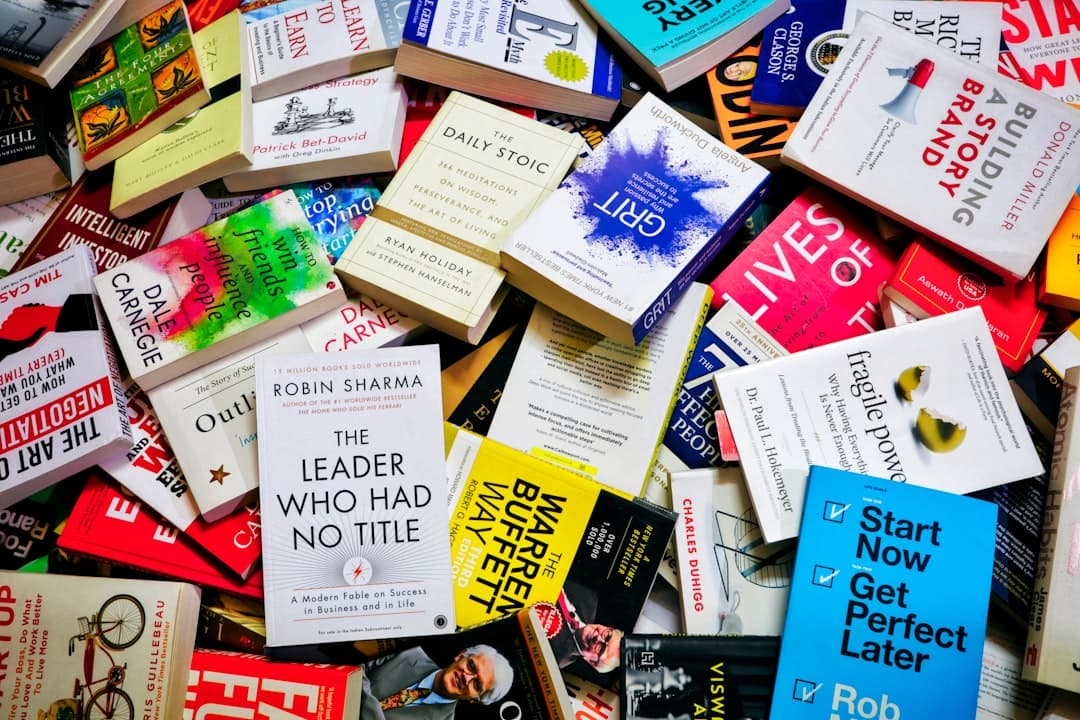
The self-publishing landscape has matured considerably over the past decade. Authors no longer face a binary choice between traditional publishing and vanity presses. Today, a range of credible, author-friendly platforms offer distribution, royalty structures, and production tools that put meaningful control in the writer's hands.
Understanding what each platform does — and does not — offer helps new authors avoid costly missteps early in their publishing journey.
Amazon Kindle Direct Publishing (KDP)
KDP remains the dominant force in self-publishing, largely because of its direct pipeline to the world's largest book retailer. Authors upload manuscripts and cover files, set their own prices, and earn royalties of 35% or 70% depending on the price point and distribution territory chosen.
The platform supports both eBook and print-on-demand paperback formats. KDP Select, an optional enrollment program, grants access to Kindle Unlimited readers in exchange for 90-day exclusivity on the eBook. Authors who enroll earn a share of a monthly global fund based on pages read — a structure that rewards longer reads and series writing.
The tradeoff: exclusivity limits distribution elsewhere during enrollment periods. Authors building a wide distribution strategy often skip KDP Select in favor of broader reach.
IngramSpark
IngramSpark appeals to authors who want their books stocked in bookstores and libraries. As part of the Ingram Content Group — one of the largest book distributors in the world — IngramSpark connects titles to a wholesale network that independent bookshops and institutions actively order from.
The platform handles both print and eBook distribution. Setup fees apply per title, though Ingram periodically offers fee waivers through writing organizations and industry partnerships. Royalty rates are lower than KDP's direct sales, but the distribution footprint is substantially broader.
For authors who value physical bookstore placement alongside online sales, IngramSpark is frequently used alongside KDP rather than as a standalone solution.
Draft2Digital
Draft2Digital operates as an aggregator, distributing eBooks and print titles to multiple retailers — including Apple Books, Barnes & Noble, Kobo, and OverDrive — through a single upload. The platform takes a percentage of each sale rather than charging upfront fees.
The interface is straightforward, and the platform generates professional-quality back matter and table of contents formatting automatically. Authors managing multiple titles across several storefronts often find Draft2Digital reduces administrative workload significantly.
Draft2Digital merged with Smashwords in 2022, absorbing that platform's long-standing library distribution relationships in the process.
Kobo Writing Life
Kobo Writing Life gives authors direct access to Kobo's global reader base, which is particularly strong in Canada, the UK, and Australia. Authors upload directly, set pricing, and run promotional price discounts independently without going through an aggregator.
Royalty rates reach 70% on titles priced above a minimum threshold. The platform provides sales data and download analytics that help authors track performance by territory — useful for authors actively building international readership.
Barnes & Noble Press
Barnes & Noble Press offers direct publishing to the Nook ecosystem and print-on-demand services. The platform is straightforward and free to use, with royalties up to 65% on eBooks. For authors targeting the North American market specifically, it provides a direct channel to one of the country's most recognized booksellers.
Choosing the Right Fit
Consider distribution goals first
Authors focused on maximizing Amazon sales often start with KDP. Those who want library sales and bookstore availability build around IngramSpark. Authors who prefer managing one upload for multiple storefronts lean toward aggregators like Draft2Digital.
Watch the royalty math closely
A higher royalty percentage on a single platform does not automatically outperform a lower rate spread across dozens of retailers. Sales volume, platform reach, and genre audience behavior all affect real earnings.
Read distribution agreements carefully
Exclusivity clauses, territorial rights, and pricing control terms vary between platforms. Understanding these terms before signing up prevents conflicts down the line, particularly for authors working with foreign rights agents or co-publishing arrangements.
Most experienced self-published authors use a combination of platforms rather than committing to one. The right mix depends on the author's genre, target readership, and long-term publishing goals.
This article is based on a primary source and has undergone editorial review prior to publication.