


The Ending That Earns Its Weight: Why Satisfying Conclusions Require Planning From Chapter One, Not Page One
A great ending isn't written at the end — it's engineered from the very first chapter. Here's how to build conclusions that feel both surprising and inevitable.
Ending on Demand: How to Craft Conclusions That Honor Your Story's Premise While Meeting Reader Expectations for Closure
Let the Story Do the Talking: Embedding Thematic Resonance Through Conflict
The Technical Architecture of Deception: How to Plant Clues Readers Will Miss on First Read
The First Line Earns the Second: Crafting Hooks That Hold
Storytelling
The Ending That Earns Its Weight: Why Satisfying Conclusions Require Planning From Chapter One, Not Page One
A great ending isn't written at the end — it's engineered from the very first chapter. Here's how to build conclusions that feel both surprising and i…
How Narrative Structure Shifts When Your Reader Has a Scroll Wheel
Digital audiences consume stories differently than print readers — shorter attention spans, fragmented reading sessions, and multi-device habits have …
Ending on Demand: How to Craft Conclusions That Honor Your Story's Premise While Meeting Reader Expectations for Closure
A great ending isn't just a stopping point — it's the moment your story proves it always knew where it was going. Learn how to craft conclusions that satisfy reader expectations without betraying the promise your premise…
Lessons Drawn from Bestselling Novels That Every Storyteller Can Use
Bestselling novels share a set of recurring structural and character-driven patterns that go far beyond luck or timing. Examining these patterns revea…
Core Storytelling Techniques That Separate Good Writers from Great Ones
Across genres and formats, certain narrative techniques consistently elevate writing from competent to compelling. This guide examines the foundationa…
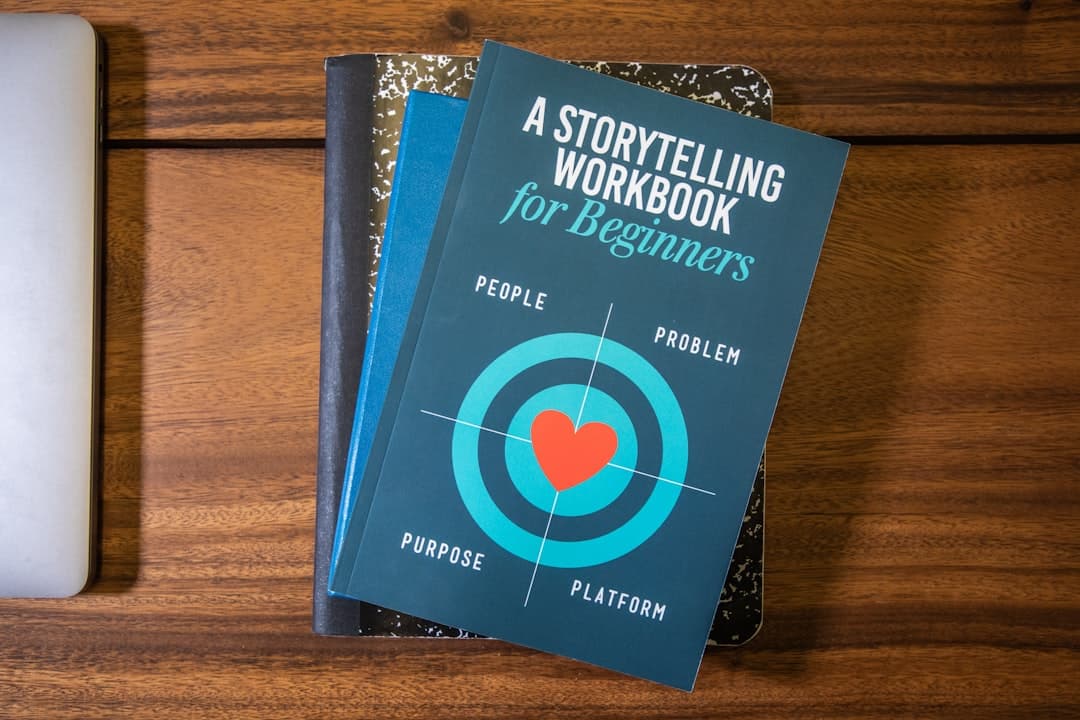
What Neuroscience and Reader Data Are Teaching Writers About Story Structure
Researchers studying how the brain processes narrative have identified measurable patterns that separate stories readers finish from stories they abandon. For working writers and editors, these findings translate into co…
How Storytellers Are Adapting Their Craft Across Film, Audio, Social, and Print
The boundaries between publishing formats have dissolved faster than most industry professionals anticipated, creating both new pressures and new oppo…
The First Line Earns the Second: Crafting Hooks That Hold
A strong opening hook is one of the most technically demanding elements of any piece of writing, and one of the most studied by agents and editors eva…
How to Construct a Narrative Arc That Holds From the First Page to the Last
A well-built narrative arc gives readers a reason to keep turning pages and gives writers a structural backbone to work from. This guide breaks down the core components of arc construction and offers concrete methods for…
The Algorithm and the Author: How AI Tools Are Reshaping the Craft of Storytelling
Artificial intelligence has moved from a background curiosity to an active presence in the writing process, changing how authors outline, draft, and r…
The Technical Architecture of Deception: How to Plant Clues Readers Will Miss on First Read
Crafting a truly effective unreliable narrator isn't about hiding the truth — it's about displaying it so naturally that readers walk right past it. T…


