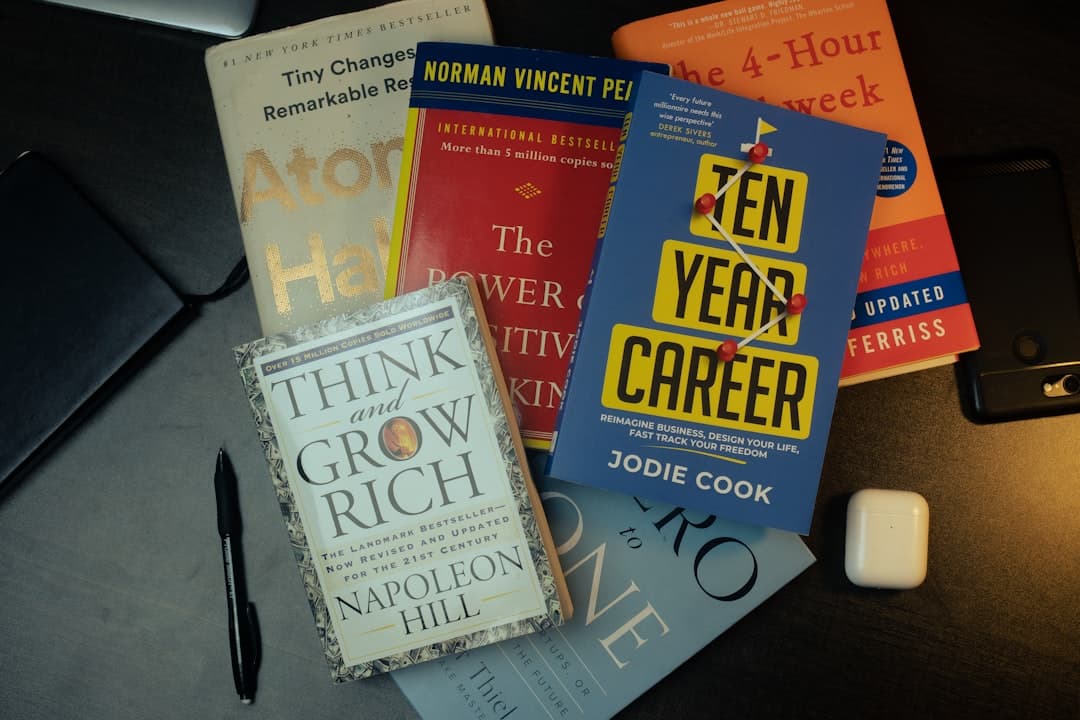
The dream of making a living through words has captivated creative minds for centuries. Today, that dream is more accessible — and more complex — than at any point in history. From traditional publishing houses to self-publishing platforms, freelance content creation to ghostwriting, the modern writing career exists in a rich and often overwhelming ecosystem of possibilities.
The Expanding Landscape of Professional Writing
Gone are the days when a writing career meant choosing between becoming a novelist or a journalist. The digital revolution has spawned entirely new categories of professional writing that barely existed two decades ago. Content strategists, UX writers, podcast scriptwriters, newsletter authors, and technical writers are now among the most in-demand professionals in the creative economy.
According to recent industry data, the global content marketing industry is projected to exceed $600 billion by 2024, creating an enormous demand for skilled writers across virtually every sector. Meanwhile, self-publishing platforms like Amazon Kindle Direct Publishing have enabled thousands of independent authors to build profitable careers outside the traditional gatekeeping structures of legacy publishing.
"The barriers to entry have never been lower, but the barriers to success have never been higher," says career writing coach and author Miranda Holloway. "Anyone can publish a book today. Standing out in a sea of millions of titles is the real challenge."
Building a Sustainable Income Stream
One of the most persistent myths about writing careers is the notion of overnight success. The reality for most professional writers is a carefully constructed patchwork of income streams that evolve over time.
Diversification Is Key
Successful writers today rarely rely on a single source of income. Many combine freelance assignments with book royalties, speaking engagements, online courses, and Substack newsletters to create financial stability. This diversified approach not only protects against the unpredictability of any single revenue source but also helps writers build a broader audience across multiple platforms.
Freelance writing platforms such as Contently, Mediabistro, and even LinkedIn have made it easier for writers to connect with clients and publications. However, competition is fierce, and establishing a reliable client base often requires months of persistent outreach and portfolio building before meaningful income materializes.
The Rise of the Author-Entrepreneur
A growing number of writers are embracing the entrepreneurial mindset, treating their creative output as a business from day one. This means investing in professional editing, cover design, marketing, and audience-building strategies that were once handled exclusively by traditional publishers. While this model demands more upfront effort and capital, it also allows writers to retain greater creative control and a significantly larger share of their earnings.
The Challenges That Remain
Despite the expanded opportunities, significant challenges persist for writers at every stage of their careers. The rise of artificial intelligence has sparked widespread anxiety within the writing community, with many wondering whether AI-generated content will ultimately devalue human creativity and reduce demand for professional writers.
Industry experts remain cautiously optimistic. "AI can generate text, but it cannot replace authentic human perspective, nuanced storytelling, or the kind of deeply researched journalism that holds institutions accountable," argues Thomas Crane, editor-in-chief of a leading digital media publication. "The writers who will thrive are those who lean into what makes human writing irreplaceable."
Mental health is another underreported challenge within the writing profession. The isolation of the craft, combined with the uncertainty of freelance income and the often brutal nature of rejection, takes a significant psychological toll. Writing communities, both online and in-person, have become invaluable resources for writers seeking support, accountability, and camaraderie.
Advice for Aspiring Writers
For those looking to build a writing career in today's environment, industry veterans consistently emphasize a few core principles: write every single day, read widely and voraciously, seek feedback without ego, and treat the business side of writing with the same seriousness as the craft itself. Building an email list and cultivating a direct relationship with readers is increasingly considered as important as the writing itself.
Most importantly, aspiring writers are urged to embrace patience. The vast majority of celebrated authors spent years — sometimes decades — honing their craft before achieving recognition. In an age of instant gratification, the willingness to play a long game may be the most essential quality a writer can possess.
The writing career of the future will belong to those who master both the art and the architecture of storytelling — those who understand not just how to craft a compelling sentence, but how to build a sustainable creative life around the words they love.