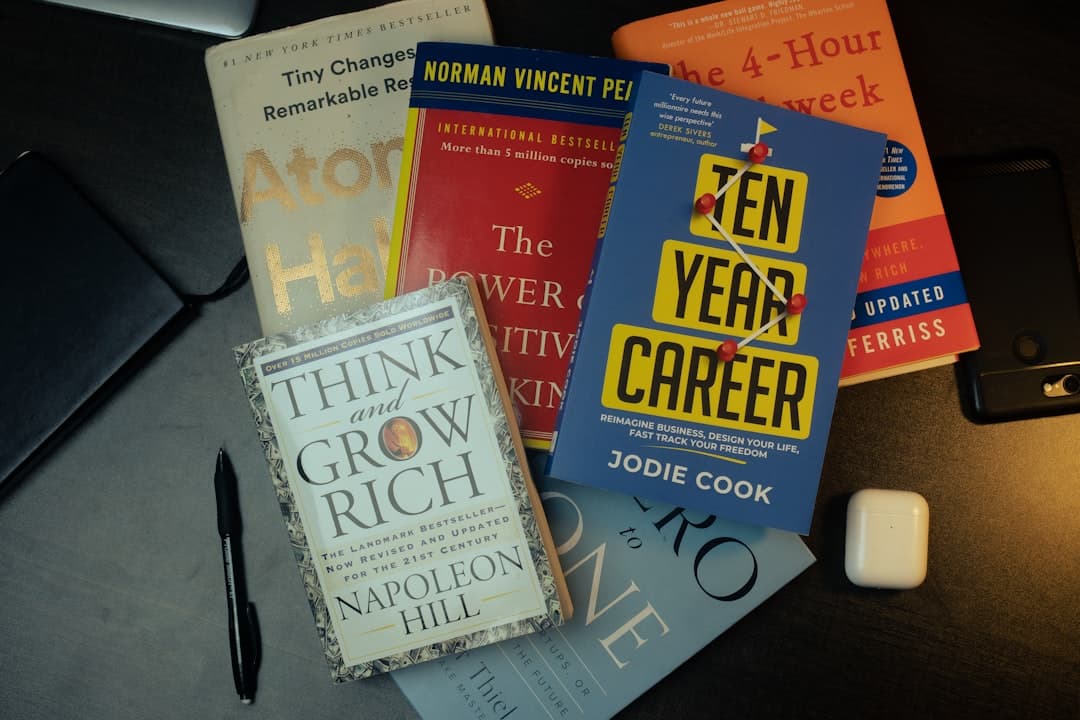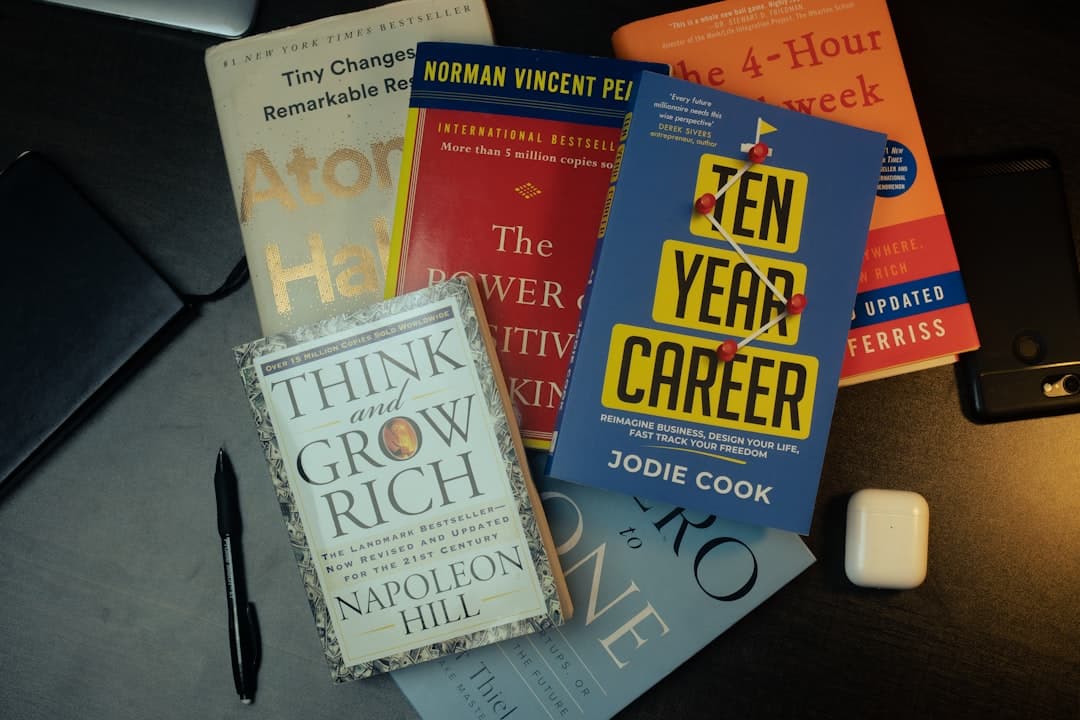
In an age dominated by short-form content, viral videos, and shrinking attention spans, the longstanding tradition of writing a full-length book continues to captivate millions of aspiring and established authors worldwide. Far from fading into obsolescence, book writing is experiencing a renaissance — one fueled by self-publishing platforms, artificial intelligence tools, and a growing hunger for deep, substantive storytelling.
The Foundation: Where Every Book Begins
Every book, regardless of genre or length, begins with a single idea. But transforming that idea into a completed manuscript requires far more than inspiration. According to writing coaches and published authors, discipline, structure, and an understanding of the reader's experience are the true cornerstones of successful book writing.
"Most people think the hardest part is coming up with the idea," said Margaret Holloway, a literary agent based in New York City. "But the real challenge is sitting down every day and doing the work, chapter by chapter, even when the motivation isn't there."
Experts typically recommend that aspiring authors begin with a detailed outline, establishing their core argument or narrative arc before writing a single word of prose. This foundational step, often skipped by beginners, can save months of revision and prevent the dreaded "writer's block" that derails so many promising projects.
The Modern Writer's Toolkit
The tools available to today's authors are vastly different from those used by previous generations. Word processors have long replaced typewriters, but the evolution doesn't stop there. Writing software such as Scrivener allows authors to organize chapters, research notes, and character profiles in one integrated environment. Cloud-based platforms enable seamless collaboration between co-authors working across different time zones.
Perhaps most controversially, artificial intelligence writing assistants have entered the conversation. Programs like ChatGPT and other large language models are being used by some authors to brainstorm plot ideas, overcome writer's block, and even draft preliminary outlines. The publishing community remains divided on the ethical implications, but most agree that AI serves best as a supplement to — rather than a replacement for — authentic human creativity.
Self-Publishing vs. Traditional Publishing
One of the most significant shifts in the book writing world over the past decade has been the democratization of publishing. Platforms like Amazon Kindle Direct Publishing (KDP) have empowered authors to bring their work to market without the gatekeeping of traditional publishing houses. In 2023 alone, over one million new titles were self-published in the United States, according to industry data from Bowker.
However, traditional publishing still carries considerable prestige and resources. A deal with a major publisher provides authors with professional editing, design, marketing support, and distribution networks that most independent authors struggle to replicate on their own. The choice between self-publishing and traditional routes ultimately depends on an author's goals, timeline, and tolerance for risk.
The Writing Process: Drafts, Revisions, and the Road to Publication
Professional authors consistently emphasize that a first draft is never a final draft. The revision process — sometimes involving three, four, or even ten complete rewrites — is where a book truly takes shape. Developmental editing addresses structural issues, line editing refines prose at the sentence level, and copyediting catches grammatical errors and inconsistencies.
"Writing is rewriting," said James Carver, author of six published novels and a professor of creative writing at the University of Michigan. "The first draft is just you telling yourself the story. Everything after that is crafting it for the reader."
Beta readers — trusted individuals who provide feedback before publication — have also become an invaluable part of the modern writing process. Their perspectives help authors identify blind spots, pacing problems, and moments where the narrative loses momentum.
Why Books Still Matter
Despite the noise of the digital age, books remain one of the most powerful vehicles for human connection, education, and cultural preservation. Research consistently shows that long-form reading improves empathy, critical thinking, and cognitive function in ways that shorter media cannot replicate.
For those considering writing a book, the message from the literary world is clear: the journey is long, the work is hard, and the reward — both personal and professional — is immeasurable. In the words of author Toni Morrison, "If there's a book that you want to read, but it hasn't been written yet, then you must write it."
Whether you are a first-time writer staring at a blank page or a seasoned author preparing your next manuscript, the world of book writing has never offered more tools, more platforms, or more possibilities than it does today.