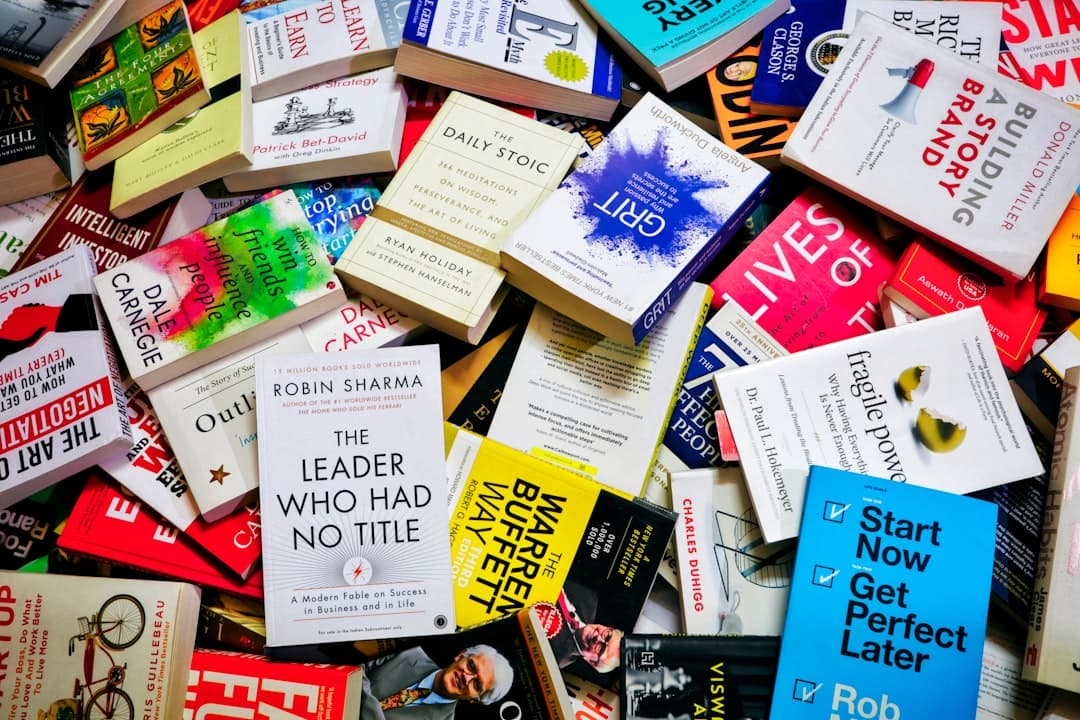
The image of self-publishing as a last resort has largely faded. Today, thousands of authors operate self-publishing businesses that generate consistent, sometimes substantial, annual income. Understanding how that income is structured — and where it realistically comes from — is useful for anyone working in or adjacent to the publishing world.
Royalties: The Foundation
The most direct income source for indie authors is royalty revenue from digital and print sales. Amazon's Kindle Direct Publishing (KDP) remains the dominant platform, offering royalty rates of 35% or 70% on ebook sales depending on the price point, and approximately 60% on print-on-demand paperbacks after printing costs are deducted. Authors publishing wide — distributing through platforms such as Kobo, Apple Books, Barnes & Noble Press, and Google Play — typically use aggregators like Draft2Digital or publish directly to each retailer.
Audiobooks represent a growing royalty stream. ACX, Findaway Voices (now part of Spotify), and Author's Republic allow authors to distribute audio editions independently. Royalty rates vary between 25% and 80% depending on exclusivity agreements and distribution model.
Subscription and Serialization Platforms
Platforms like Kindle Unlimited (KU) operate on a subscription model where authors enrolled in KDP Select earn per page read from a shared royalty pool. For authors writing in high-demand genres — romance, thriller, fantasy, and science fiction — KU can generate income that rivals or exceeds direct sales. The tradeoff is exclusivity to Amazon for the enrolled titles.
Beyond KU, platforms such as Ream, Patreon, and Substack allow authors to earn directly from readers through tiered memberships. These models work particularly well for authors with engaged audiences, offering early access, serialized content, bonus chapters, or behind-the-scenes material as subscriber incentives.
Direct Sales
An increasing number of indie authors have shifted toward selling directly through their own storefronts using tools like Shopify, WooCommerce, or Payhip. Direct sales remove the retailer as intermediary, allowing authors to keep a significantly larger share of each transaction. Authors selling direct also capture customer data — email addresses and purchase histories — that third-party platforms do not share. This data becomes an asset for future launches and promotions.
Rights Licensing
Self-publishing does not mean surrendering licensing opportunities. Indie authors retain all their rights by default, which means translation rights, foreign rights, film and TV options, and audio rights are available to license independently. Literary scouts and foreign publishers do acquire rights from self-published authors, particularly those with demonstrated sales. Platforms like Publishers Marketplace and rights fairs at events such as Frankfurt Book Fair and London Book Fair remain relevant channels for these transactions.
Adjacent Income Streams
Many working indie authors supplement book royalties with related revenue. These include:
Online Courses and Workshops
Authors with expertise in craft or publishing frequently teach through platforms like Teachable, Thinkific, or their own sites. A course on writing genre fiction or navigating self-publishing can generate recurring revenue with minimal ongoing effort after the initial build.
Speaking and Consulting
Established indie authors are regularly invited to speak at writing conferences, library events, and industry panels. Consulting for other authors — on book marketing, publishing strategy, or cover and production decisions — also represents a monetizable skill set.
Merchandise and Bundles
Readers in certain genres, particularly fantasy and romance, respond strongly to merchandise tied to book series. Signed editions, box sets, and bundled ebook collections offered at a discount also serve as reliable revenue drivers during launch periods or promotional windows.
What the Numbers Look Like
Income varies widely. A 2023 survey by the Alliance of Independent Authors found that authors publishing multiple titles per year in commercial genres and actively managing their marketing reported median annual earnings significantly higher than those publishing one book and relying solely on organic discovery. Volume, genre selection, marketing consistency, and catalog depth are the variables most closely correlated with sustainable indie author income.
The business model rewards authors who treat self-publishing as a long-term operation rather than a single transaction — building catalogs, cultivating reader relationships, and diversifying the channels through which money flows.
This article is based on a primary source and has undergone editorial review prior to publication.