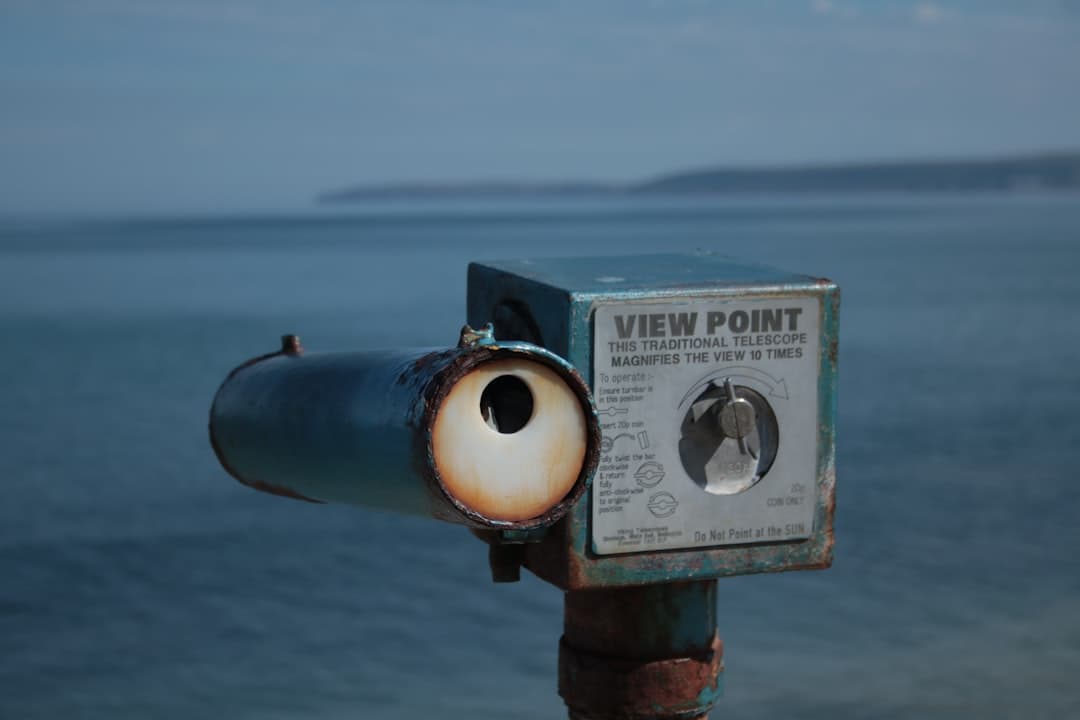
Point of view is one of the most consequential decisions a writer makes before typing a single word of prose. It determines the distance between reader and character, controls what information can be revealed, and sets the emotional register of an entire manuscript. Yet many writers choose a perspective by instinct rather than intention — and that choice, made carelessly, can undermine an otherwise strong story.
First Person Narration
First person narration uses the pronoun "I" to position the narrator as a direct participant in the story. The reader experiences events through one consciousness, filtered through that character's knowledge, biases, and emotional state.
Strengths
The primary advantage of first person is immediacy. Readers occupy the narrator's mind directly, which creates strong identification and emotional intimacy. This perspective suits stories where the narrator's voice is itself a central feature — unreliable narrators, confessional accounts, and character-driven literary fiction frequently employ it. Novels like The Catcher in the Rye and Gone Girl demonstrate how a first person voice can become inseparable from the story's meaning.
Limitations
First person restricts the narrative to what the narrator can plausibly know, see, or hear. Scenes the narrator does not witness require workarounds — secondhand accounts, letters, or reported dialogue — that can feel mechanical if overused. Writers also face the challenge of making a first person narrator both believable as a real person and engaging enough to sustain a reader's attention across hundreds of pages.
Third Person Narration
Third person narration refers to characters by name or pronoun — he, she, they — and exists on a spectrum between two poles: limited and omniscient.
Third Person Limited
Third person limited anchors the narrative to a single character's perspective without using "I." The reader still accesses one character's inner life, but the slight narrative distance allows a writer more flexibility in sentence construction and a subtly wider observational lens. This is currently one of the most common perspectives in commercial and literary fiction alike.
Third Person Omniscient
An omniscient narrator has access to any character's thoughts, feelings, and knowledge, as well as information no character possesses. This perspective was dominant in 19th-century fiction — Tolstoy and Eliot used it extensively — and remains a strong choice for epic narratives, multi-generational sagas, or stories where thematic breadth matters as much as individual psychology. The risk is "head-hopping," or shifting between character perspectives without clear signaling, which disorients readers and dissolves tension.
Practical Considerations for Choosing a Perspective
Several concrete factors can guide the decision. First, consider the scope of the story. A plot that requires access to multiple characters' inner lives across separate locations tends to favor omniscient or multi-POV third person. A story rooted in one person's psychological experience often benefits from first person or tight third person limited.
Second, consider the narrator's reliability. If the story's dramatic power depends on a gap between what the narrator believes and what is actually true, first person offers the most natural vehicle for that gap. The reader inhabits the distorted perspective directly, making the eventual revelation more disorienting and effective.
Third, consider voice. First person demands a distinct, sustained narrative voice from page one. If the character's way of speaking and thinking is not yet fully developed, third person provides more authorial cover while that voice takes shape through revision.
Switching Perspectives Within a Manuscript
Some novels use multiple first person narrators — each section or chapter narrated by a different character. Others blend first and third person, a technique associated with writers like Jennifer Egan. These approaches can be effective, but they require clear structural logic. Readers accept complexity when the rules are consistent and the payoff is evident.
Editors and agents read perspective as a signal of a writer's craft awareness. A manuscript that shifts viewpoint without intention, or that uses first person while frequently relaying information the narrator cannot access, creates friction that pulls readers out of the story. The technical choices embedded in point of view are not invisible — they are the architecture through which every other element of fiction operates.
This article is based on a primary source and has undergone editorial review prior to publication.