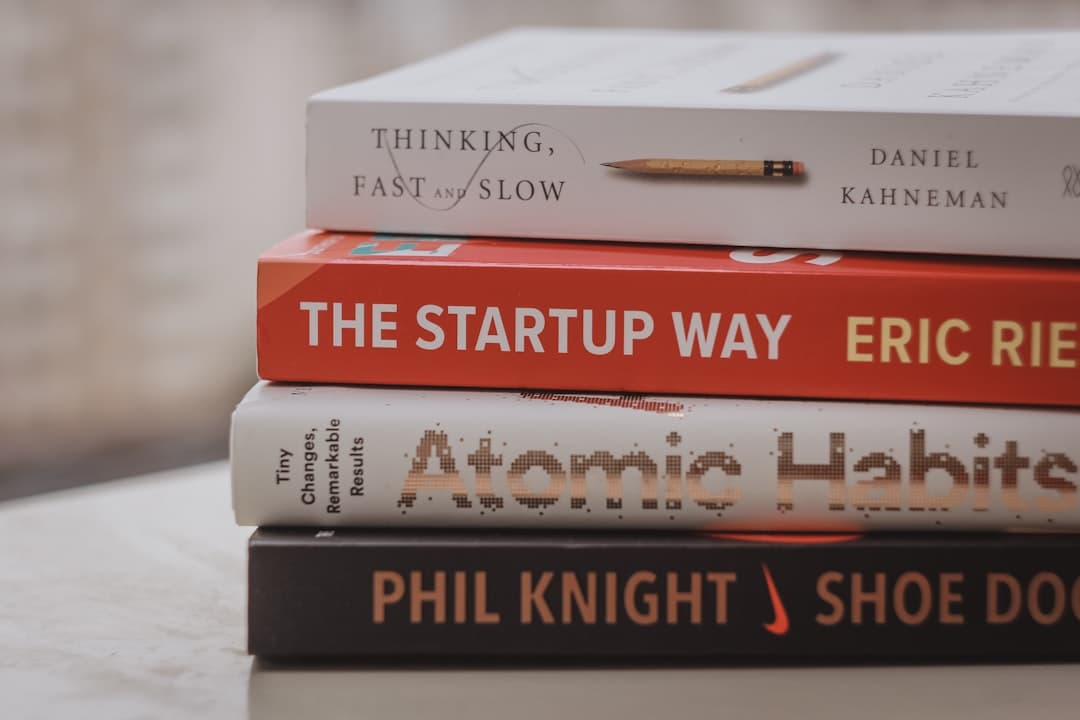
Most launch failures trace back to a single cause: starting too late. Publishers and debut authors alike consistently underestimate how much groundwork a release requires. The timeline below is built around a standard six-month runway, though many of these steps benefit from an even earlier start.
Six Months Out
Lock the Fundamentals
Confirm the publication date in writing with all parties — publisher, distributor, and any co-authors. Secure the ISBN and register copyright if the author holds those rights. Set up or audit the author website, ensuring it has a clear landing page where pre-orders or mailing list signups can be captured from day one.
Build the Media Foundation
Assemble an updated author bio in three lengths: one sentence, one paragraph, and a full page. Commission a professional author photo if the current one is more than two years old. Draft the book's core marketing copy — back-cover blurb, short pitch, and long description — and circulate it internally for approval before it appears anywhere publicly.
Four Months Out
Advance Review Copies
Distribute ARCs (advance review copies) to trade reviewers, book bloggers, BookTok and Bookstagram creators, and any relevant podcast hosts. Most professional review outlets — Kirkus, Publishers Weekly, Library Journal — require submissions three to four months ahead of publication. Missing these windows means missing those placements entirely.
Finalize Retail Listings
Check every retail listing where the book will appear: Amazon, Barnes & Noble, IndieBound, Bookshop.org, and any international equivalents. Confirm the cover image, metadata, categories, and keywords are accurate. Errors in BISAC categories or keyword tags directly affect discoverability, so this step deserves careful attention.
Two to Three Months Out
Press and Publicity Outreach
A publicist — whether in-house or freelance — should have a media list in circulation by this point. Pitches to long-lead print magazines typically need to go out eight to twelve weeks before launch. For online outlets and podcasts, six weeks is generally the floor. Authors handling their own publicity should identify ten to fifteen specific media targets rather than casting a wide, unfocused net.
Plan the Launch Event
Book a launch reading or signing at an independent bookstore, literary venue, or community space. Coordinate with the venue on consignment terms, inventory ordering, and event promotion. Prepare a brief reading selection — typically five to eight minutes — and a set of talking points for the Q&A that follows.
Four to Six Weeks Out
Social Media and Newsletter Scheduling
Draft and schedule social media content for the four weeks surrounding launch. This includes cover reveals (if not already done), countdown posts, behind-the-scenes content, and pre-order reminders. Send at least two dedicated newsletters to the author's mailing list: one announcing the book with a pre-order link, and one arriving the week of release.
Prepare Downloadable Assets
Create a press kit folder — hosted online and shareable via a single link — containing the cover in high resolution, author photo, bio, press release, and sample chapter. Journalists and bloggers who want to cover the book should be able to access everything they need without sending a separate email.
Launch Week
Monitor retail listings daily for the first week to catch any technical issues with availability or pricing. Respond promptly to reader messages, reviews, and media inquiries. Track sales through available dashboards — not to obsess over numbers, but to identify which promotional channels are driving activity and adjust accordingly.
After the launch event, send thank-you notes to booksellers, interviewers, and anyone who provided a blurb or early review. These relationships extend well beyond a single book.
The Week After
Conduct a brief internal debrief: what worked, what arrived too late, and what would be scheduled differently next time. Document these findings. Whether this is a first book or a fifteenth, a written record of what actually happened during launch becomes one of the most useful planning tools for the next one.
This article is based on a primary source and has undergone editorial review prior to publication.


