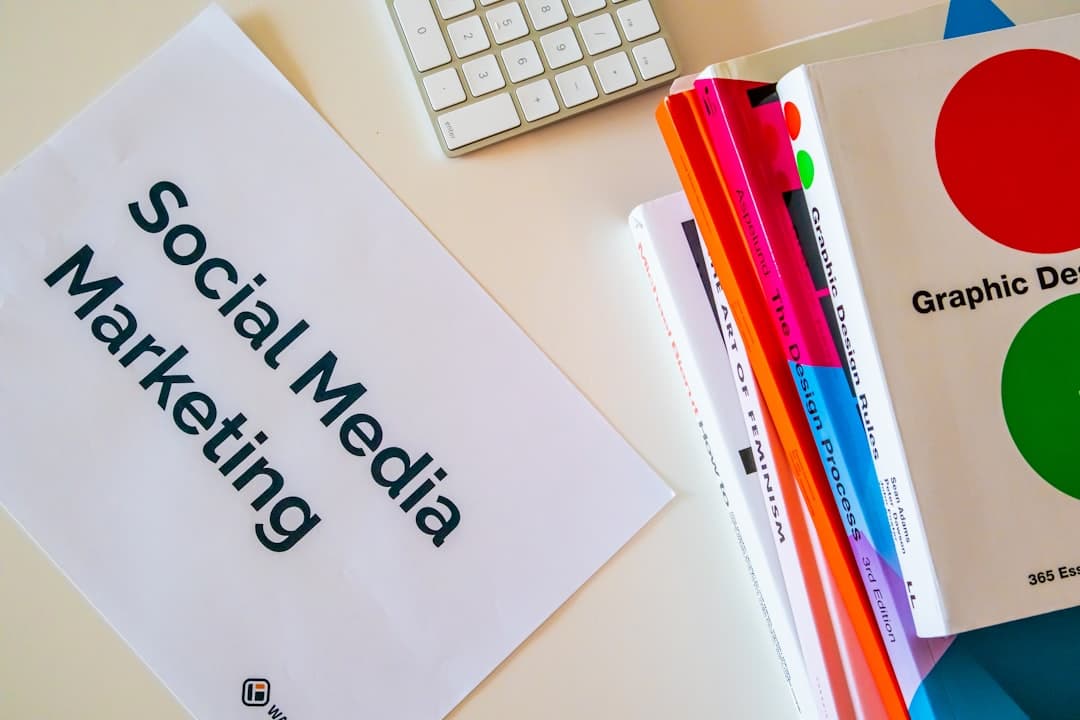
Social media offers authors direct access to readers, press contacts, and booksellers — a distribution of influence that did not exist a generation ago. Yet the majority of authors who struggle with online engagement share a recognizable set of habits that quietly work against them. The platform is rarely the problem. The approach usually is.
Leading With the Sale
The most documented mistake authors make on social media is treating every post as a sales opportunity. When an account's feed consists almost entirely of book cover images, buy-link reminders, and countdown timers to launch day, readers disengage. Algorithms aside, people follow accounts that offer something — a perspective, a story, a conversation. A consistent stream of promotional content signals to potential readers that the account exists to extract something from them rather than offer anything to them.
A practical correction: adopt a posting ratio where promotional content makes up no more than one in every five posts. The remaining posts can spotlight the author's reading life, the research behind the book, relevant industry news, or candid reflections on the writing process. This mix builds an audience that is genuinely interested in the author as a person, which translates into readers who are genuinely interested in the book.
Inconsistency in Presence
Authors frequently post in concentrated bursts around a launch and then disappear for weeks or months. This pattern confuses the algorithm and — more critically — it confuses readers. Social media audiences respond to reliability. An account that posts three times a week every week, even with modest content, outperforms an account that floods the feed for a two-week launch window and then goes quiet.
Building a minimal but sustainable content schedule before a book releases, and maintaining it after, keeps an author visible during the long sales period that follows the initial launch spike. Most book sales happen after the launch window, not during it.
Ignoring the Platform's Native Format
Each platform rewards content that matches how its users behave. Authors who post the same content across every platform simultaneously — often using cross-posting tools — miss this. A long-form reflection that works on Substack does not translate directly to a thread on X or a caption on Instagram. Video-first platforms reward video. Text-forward platforms reward ideas with depth and continuity.
Adapting content to the platform takes more time but produces measurably better reach. Choosing one or two platforms and learning them well is more effective than maintaining a diluted presence across six.
Neglecting Engagement as a Two-Way Exchange
Posting content and never responding to comments, questions, or replies is a visible and common error. Readers who take the time to comment are signaling interest. Leaving those interactions unanswered communicates indifference and reduces the likelihood that those readers will engage again or recommend the author to others.
Setting aside ten to fifteen minutes after each post to respond to comments strengthens the relationship between author and reader community. Literary agents and publishers also monitor how authors engage with their audiences when assessing platform strength during acquisition conversations.
Mistaking Follower Count for Influence
A large following that does not engage is less useful to a book's sales than a smaller following that responds, shares, and buys. Authors who purchase followers, chase vanity metrics, or optimize only for growth often end up with audiences that have no real interest in their work. Publishers are increasingly aware of this distinction and look at engagement rates — not raw follower numbers — when evaluating an author's platform.
Growing an audience more slowly, through genuine content and real interaction, produces a reader base that is more likely to act when a book releases.
No Link to a Home Base
Social media platforms change their terms, reduce organic reach, and occasionally shut down entirely. Authors who build their entire audience on a single platform without directing followers to an owned channel — a newsletter, a website, an email list — are building on rented ground. Every social media bio should include a clear and current link to a place the author controls. That link is the bridge between a follower and a long-term reader.
This article is based on a primary source and has undergone editorial review prior to publication.


