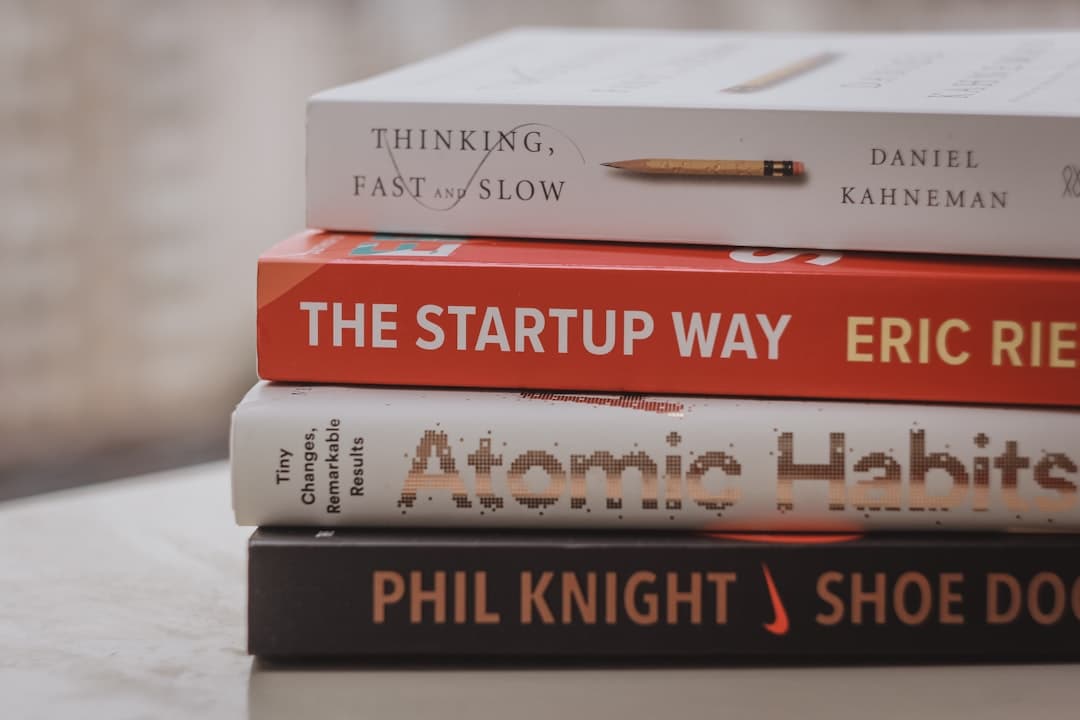
Most book launches peak on release day and then stall. Pre-orders spike, a few reviews come in, and within two weeks the title drifts quietly into the backlist. This pattern is common, but it is not inevitable. Authors and publishing teams who approach a launch as a multi-phase campaign — not a one-day announcement — build momentum that compounds over time.
Start the Clock Earlier Than You Think
The most durable launches begin four to six months before the on-sale date. This window allows time to build an advance reader community, secure early endorsements, pitch long-lead print media, and establish the book's presence in relevant online spaces. Waiting until the month of publication compresses every activity into a period when readers, journalists, and booksellers are already overloaded with competing titles.
During this early phase, the priority is awareness — not selling. Authors can share the cover, excerpt a passage, or write publicly about the ideas behind the book. The goal is to make the publication feel like an event people have been anticipating rather than a surprise arrival.
Structure the Launch in Three Distinct Phases
Phase One: The Build (Weeks 8–4 Before Publication)
This phase focuses on distribution of advance reader copies (ARCs), outreach to podcasters and newsletter writers with long lead times, and locking in any speaking engagements or panels timed to the release. Pre-order campaigns with reader incentives — a bonus chapter, a signed bookplate, early access to an author Q&A — have shown measurable results in driving early sales data, which influences retailer placement algorithms.
Phase Two: The Activation (Release Week)
Release week is when coordinated visibility matters most. This means reviews, interviews, and social sharing landing within the same short window. A concentrated burst of activity signals to algorithms and human curators that the book has traction. Authors and publicists should identify five to ten high-trust voices in the book's target readership and ask them to post or share specifically during this window, not weeks before or after.
Phase Three: The Extension (Weeks 2–8 Post-Publication)
This phase is where most launches go silent — and where the opportunity is largest. Post-launch content can include author essays placed in trade or consumer publications, responses to reader questions, updated award eligibility announcements, and outreach to book clubs and classroom adoption coordinators. Titles that stay in active conversation for six to eight weeks after release consistently outperform those that treat launch week as the endpoint.
What Actually Drives Discoverability
Reviews remain one of the most reliable drivers of sustained discoverability. Securing a volume of honest reader reviews on retail platforms within the first thirty days affects how those platforms surface the title in search results and recommendation feeds. Publicists and authors should make it easy for early readers to leave reviews — by sending direct links, gentle reminders, and clear instructions — without pressuring specific language or ratings.
Metadata also plays a larger role than many authors realize. Category selection, keywords, and book descriptions on retail platforms can be updated after publication. If early sales data suggests the book is resonating with a different readership than originally targeted, adjusting the metadata is a practical, low-cost intervention.
Coordinating the Team
A launch involves multiple stakeholders — the author, publicist, publisher's marketing team, and sometimes an independent book marketing consultant. Establishing a shared calendar, clear ownership of each tactic, and weekly check-ins during the eight-week launch window reduces duplication and prevents critical tasks from falling through. A single shared document tracking outreach, responses, and scheduled posts keeps everyone oriented without requiring constant meetings.
The mechanics of a book launch are learnable. With a defined timeline, phased activity, and deliberate coordination, a title can hold reader attention well past its first week — which is where long-term sales, word-of-mouth, and reputation are actually built.
This article is based on a primary source and has undergone editorial review prior to publication.


