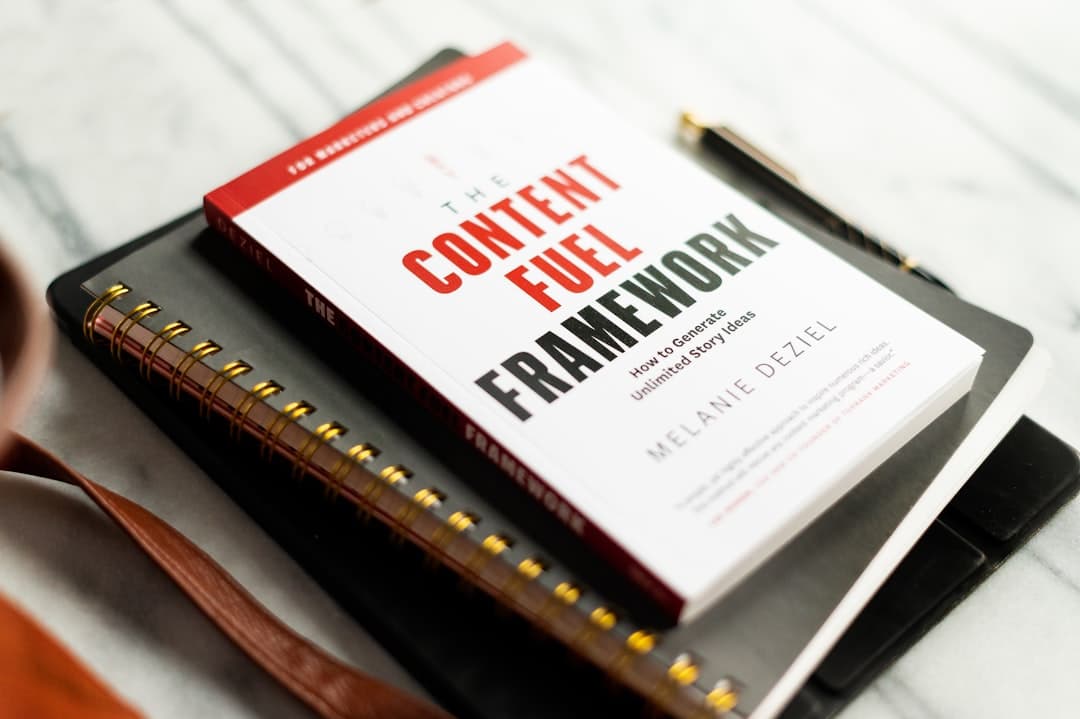
Freelance writers who consistently land high-paying work share one common asset: a portfolio built with intention. Not simply a collection of published clips, but a curated body of evidence that speaks directly to the clients they want to attract.
Lead With Relevance, Not Volume
A common mistake among emerging freelancers is treating their portfolio as an archive. Hiring editors and content directors at established publications or agencies spend less than two minutes reviewing a portfolio. What they look for is immediate relevance — does this writer understand our industry, our tone, and our reader?
Rather than including every published piece, select three to six samples that align closely with the type of work you want more of. If you are targeting B2B technology clients, your travel essay from 2019, however well-written, does not belong on the front page of your portfolio site.
Tailor Samples to the Rate You Want to Earn
There is a direct relationship between the caliber of your portfolio samples and the rates clients consider paying. Work published in respected outlets — industry journals, recognized digital publications, established print magazines — signals professional credibility. If your best clips come from lower-visibility sources, consider writing a few strong spec pieces modeled after the publications or brands you want to work with.
Spec work, when clearly labeled as such, is an acceptable and often effective strategy. It demonstrates range and initiative, especially for writers transitioning into a new niche.
Structure Each Sample With Context
Presenting a raw link to an article tells a client what you wrote. Presenting that same article with a brief annotation tells them how you think. A one to two sentence context note beneath each sample — explaining the client's goal, the target audience, or the strategic angle you took — demonstrates editorial judgment, not just execution.
This framing matters significantly to senior buyers. A managing editor at a trade publication or a brand content strategist is not only hiring a writer; they are hiring a thinking partner. Your portfolio is the first place to prove that capacity.
Build a Dedicated Portfolio Site
PDF portfolios and Google Drive folders project an early-career image. A dedicated portfolio website — even a clean, minimal one — communicates professionalism and permanence. Platforms such as Contently, Journo Portfolio, or a self-hosted site built on Squarespace or WordPress each offer functional options at varying price points.
The site itself should include a focused bio written in third person, a clear statement of your niche or specialty, selected samples with context notes, and a direct contact method. Avoid cluttering the site with testimonials, social media feeds, or unrelated content that pulls attention away from the work.
Update the Portfolio Before You Need It
Many writers update their portfolios only when actively searching for new clients, which means they are presenting stale work at the moment it matters most. A better practice is to review and refresh the portfolio every three to four months — retiring older samples, adding recent strong work, and adjusting the niche focus as your career evolves.
A Note on Confidential Work
Ghost-written content and work produced under non-disclosure agreements presents a real challenge for freelancers in content strategy, speechwriting, and executive communications — fields where rates are often highest. In these cases, a brief description of the project scope, the publication or platform type, and measurable outcomes (increased readership, a product launch, an awards submission) can substitute for a live link, provided client confidentiality remains intact.
The Portfolio as a Sales Document
At its core, a writing portfolio functions as a sales document. Every editorial decision — which samples appear, how they are framed, the design of the site, even the order in which pieces load — shapes the impression a prospective client forms. Writers who approach portfolio-building with the same rigor they apply to their craft consistently report stronger inbound inquiries and shorter negotiation cycles on rate.
The work itself remains the foundation. The portfolio is simply the architecture that lets that work do its job.
This article is based on a primary source and has undergone editorial review prior to publication.