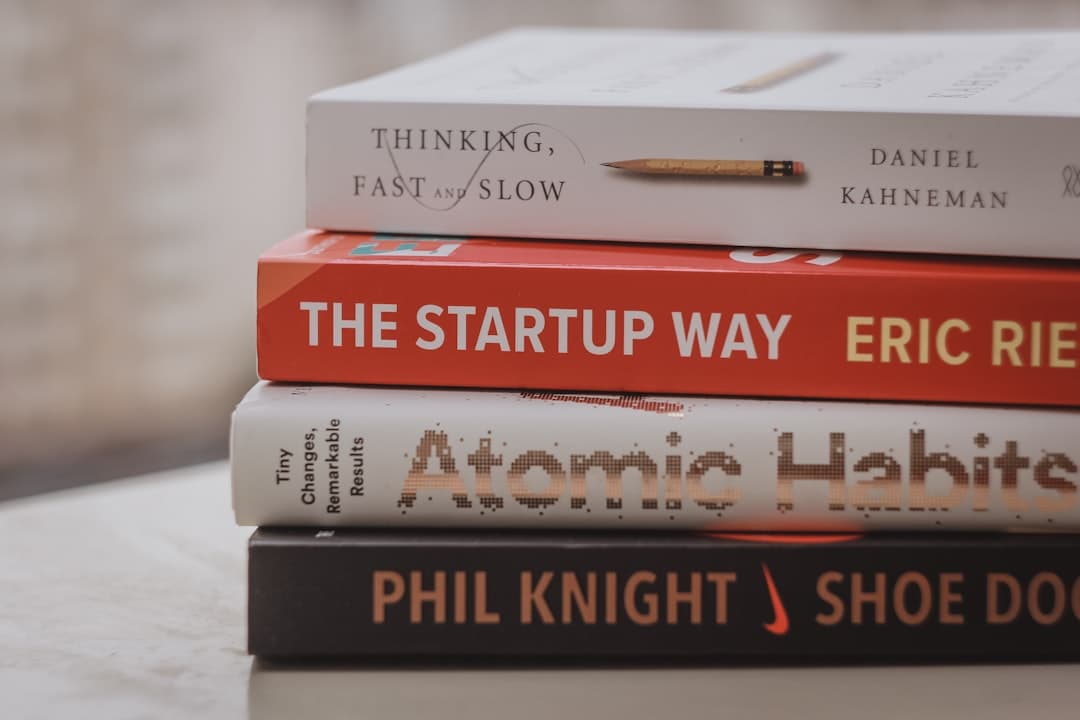
A book's first seven days on the market carry disproportionate weight. Retailer algorithms, bestseller list eligibility windows, and early reader reviews all hinge on activity during this narrow period. Authors and publishers who treat launch week as a structured campaign — rather than a single release-day announcement — consistently outperform those who don't.
Build Momentum Before Day One
Launch week actually begins before the book goes on sale. Advance reader copies (ARCs) distributed four to six weeks prior give reviewers and early supporters enough time to post reviews on release day itself. A coordinated embargo lift — where reviewers agree to publish on a specific date — creates a concentrated burst of visibility that algorithms reward.
Pre-orders also play a significant role. Most major retailers count pre-orders toward first-week sales rankings. Encouraging pre-orders through exclusive bonuses — a deleted chapter, a companion guide, signed bookplates — gives readers a tangible reason to commit early rather than waiting.
Map Out Each Day with a Purpose
Treating every day of launch week as its own distinct moment prevents momentum from stalling after the initial announcement. A workable structure looks like this:
Day 1 — Release Announcement
The official launch post goes live across all channels simultaneously. Email newsletters, social media, and any partnered press coverage should align on the same date. Authors who coordinate with their publishers on timing avoid the fragmentation that dilutes impact.
Day 2 — Reader Spotlight
Sharing early reader reactions, screenshots of reviews, or testimonials shifts the narrative from promotion to social proof. This approach works because it lets readers speak on the author's behalf, which carries more credibility than self-promotion.
Day 3 — Deep-Dive Content
A longer piece — a blog post about the book's research, a behind-the-scenes look at the writing process, or an interview published on a relevant platform — feeds the audiences who want more than a sales pitch. This content also has a longer shelf life and continues driving traffic after launch week ends.
Day 4 — Community and Partnerships
Guest appearances, podcast interviews, newsletter swaps with other authors, or collaborations with book clubs and literary organizations extend reach into new audiences. Booking these appearances in advance is necessary — most podcasts and newsletters operate on lead times of several weeks or longer.
Day 5 — Retailer and Bookseller Focus
Mid-week is a practical moment to highlight independent bookstores, signed-copy availability, or retailer-specific promotions. Shouting out indie bookstores in particular tends to generate goodwill and shares from booksellers themselves — a form of amplification that costs nothing.
Days 6 and 7 — Final Push and Gratitude
The close of launch week serves two purposes: a final sales push for readers on the fence, and an acknowledgment of everyone who supported the launch. Publicly thanking early readers, reviewers, and community members reinforces relationships that matter beyond a single book cycle.
Track What Actually Moves Sales
During launch week, data collection runs alongside every promotional action. Tracking links — available through tools like BookLinker or simple UTM parameters — reveal which platforms and partnerships drive actual purchases versus passive engagement. This information shapes future launches and helps authors and publishers allocate resources more effectively over time.
Email newsletter conversions, retailer dashboard reports, and social engagement metrics all tell parts of the same story. The authors and publishing teams who review this data weekly — not just at the end of a quarter — make faster, better-informed decisions about where to focus their energy.
What Sustains Sales After the Week Ends
Launch week plants seeds, but the harvest extends well beyond it. Reviews posted during launch week continue influencing purchasing decisions for months. Content published during the week — interviews, essays, behind-the-scenes posts — remains searchable and shareable long after the calendar moves on.
The most effective launches treat week one as the opening chapter of a longer marketing arc, not the entire story. Authors who schedule additional promotional beats at the 30-day, 90-day, and six-month marks report steadier, more durable sales performance than those who concentrate all effort in the first seven days and step back entirely.
This article is based on a primary source and has undergone editorial review prior to publication.


