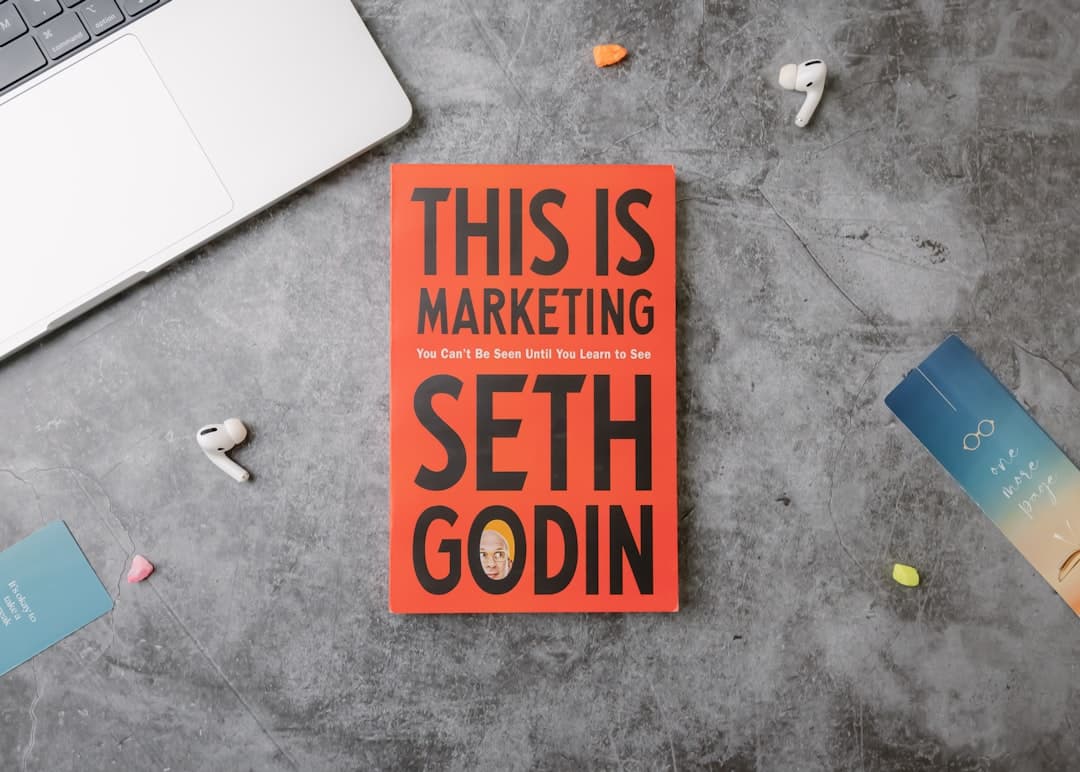
A book can survive a lukewarm review. It rarely survives poor marketing. Yet across genres and publishing models — traditional, hybrid, and self-published — the same promotional errors surface again and again, costing authors readers, revenue, and long-term career momentum.
Starting the Marketing Clock Too Late
One of the most documented patterns in publishing is authors who treat marketing as a post-publication activity. By the time a book hits shelves or digital storefronts, the window for building pre-launch awareness has already closed.
Literary agents and publicists consistently advise authors to begin audience-building at least six to twelve months before release. That means growing an email list, establishing a consistent social media presence, and pitching long-lead media outlets — all before a cover is finalized. Readers who discover an author after launch require significantly more convincing than readers who have been anticipating a book for months.
Confusing Platform With Presence
Having accounts on five social media platforms is not the same as having a platform. Authors who spread themselves thin across channels they do not use consistently tend to generate less engagement than those who maintain one or two channels with focus and regularity.
The practical guidance here is straightforward: identify where your target readers already spend time, then show up there with content that serves them. A literary fiction author whose readers congregate on Substack will gain more traction from a well-maintained newsletter than from sporadic posts across Instagram, X, TikTok, and Facebook combined.
Selling Continuously Without Offering Value
Promotional fatigue is real. Authors who use every post, email, and public appearance to push their book — without offering anything of genuine interest in return — train their audiences to disengage. Readers unsubscribe. Followers mute. Algorithms deprioritize.
Publishing professionals refer to this as an imbalanced give-to-ask ratio. Authors who share craft insights, recommend other books, discuss their research process, or offer readers something useful before making an ask tend to maintain healthier engagement rates. The promotional content lands better because it is surrounded by content people actually sought out.
Neglecting the Back Matter and Buy Path
Many authors focus entirely on getting someone to click on their book page, then lose potential buyers the moment those readers arrive. Weak book descriptions, absent or generic author bios, low-quality cover images, and missing review quotes all create friction at the point of purchase.
The back matter inside a book carries similar weight. Authors who do not include a clear call-to-action — a link to a newsletter, a note about their next book, or an invitation to connect — lose the opportunity to convert a one-time reader into a long-term follower. Every element of a book's packaging functions as marketing.
Underestimating the Long Tail
A launch week mindset leads authors to treat their marketing budget and energy as a finite resource to be spent over a few days, then abandoned. This approach misaligns with how book discovery actually works.
Significant portions of book sales happen months or years after publication. Readers discover titles through word-of-mouth, library holds, book club selections, and search engine results — all of which operate on timelines completely independent of a launch calendar. Authors who continue light, consistent promotion after the launch period — updating metadata, seeking new reviews, refreshing their website — sustain discoverability in ways that a front-loaded campaign cannot.
Treating Every Book as an Island
Authors who market each title in isolation, rather than building a coherent body of work, make the reader acquisition process harder every single time. A reader who enjoys one book and cannot easily find the next — or does not realize another book exists — represents a missed connection that no amount of advertising can efficiently replace.
Cross-linking titles, maintaining an updated and functional author website, and being explicit about series order or thematic connections across standalone works all reduce the friction between a reader finishing one book and beginning another. Catalog thinking, rather than single-title thinking, compounds over a career in ways that individual launch campaigns rarely do.
This article is based on a primary source and has undergone editorial review prior to publication.


