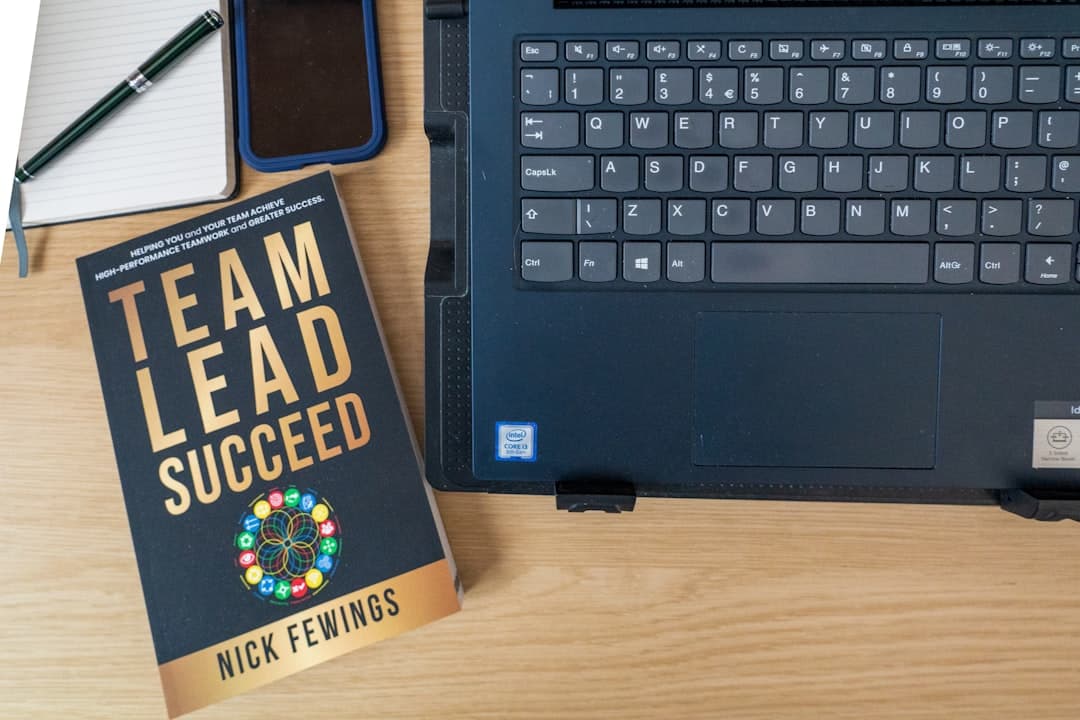
Without an in-house team managing editorial, formatting, and distribution, indie authors build their own systems from scratch. The tools they select determine how efficiently a manuscript moves from first draft to published book — and how professionally it lands in readers' hands.
Drafting and Manuscript Development
Scrivener remains one of the most widely used writing applications among independent authors. Developed by Literature & Latte, it allows writers to organize chapters, scenes, character notes, and research within a single project file. Its corkboard and outliner views give authors a structural overview that standard word processors do not offer. For writers who prefer a distraction-free environment, iA Writer and Draft provide clean interfaces that strip away formatting toolbars and focus attention on the text itself.
Microsoft Word and Google Docs continue to function as reliable drafting and collaboration tools, particularly when working with freelance editors who request tracked changes. Google Docs has the added advantage of real-time sharing and cloud autosave, which reduces the risk of losing work.
Editing and Proofreading Assistance
ProWritingAid and Grammarly are two grammar and style checkers that indie authors use during the self-editing phase. ProWritingAid offers deeper structural reports — flagging overused words, passive voice patterns, and readability scores — making it a preferred option for authors who want more than surface-level corrections. Grammarly functions well as a first-pass tool for catching punctuation errors and awkward phrasing.
These tools supplement human editorial work rather than replace it. Most publishing professionals recommend hiring a developmental editor, copy editor, and proofreader regardless of which software an author uses during their own revision process.
Formatting for Print and Digital
Vellum, available exclusively on Mac, has become the preferred formatting software for many indie authors producing both ebooks and print books. Its templates generate clean, professional layouts with minimal technical knowledge required. Reedsy Book Editor offers a free browser-based alternative with comparable export capabilities, including EPUB and print-ready PDF files.
For authors who want more precise control over print formatting, Adobe InDesign remains the industry standard, though it carries a steeper learning curve and subscription cost. Atticus, a newer entrant to the market, positions itself as a cross-platform alternative to Vellum with formatting and writing features combined.
Cover Design and Visual Assets
Book cover design is typically outsourced to professional designers, but indie authors often use Canva for supplementary visual assets — social media graphics, bookmarks, and promotional materials. For those designing their own covers, Adobe Photoshop and Affinity Publisher provide the resolution and export settings required by major print-on-demand services.
Stock image libraries such as Shutterstock, Adobe Stock, and Depositphotos supply licensed photography and illustration for cover design projects. Understanding image licensing terms is a practical necessity before purchasing any asset for commercial use.
Publishing and Distribution Platforms
Amazon Kindle Direct Publishing (KDP) handles ebook and print-on-demand distribution for a significant portion of the indie market. IngramSpark expands reach to brick-and-mortar retailers and library systems through its global distribution network. Draft2Digital offers a streamlined aggregator experience, distributing to multiple retailers — including Apple Books, Barnes & Noble, and Kobo — from a single upload.
Authors who publish wide, meaning across multiple platforms rather than exclusively through Amazon, often rely on aggregators to manage their distribution without maintaining separate accounts on each retailer.
Project Management and Productivity
Notion and Trello serve as organizational hubs for authors tracking word count goals, publishing timelines, and marketing tasks. Both platforms offer customizable boards and databases that adapt to different working styles. Some authors use simple spreadsheets to the same effect — the specific tool matters less than maintaining a consistent system.
Tracking submission history, royalty statements, and reader mailing list activity requires organization that goes beyond the manuscript itself. Authors who treat their writing as a business from the beginning tend to build these systems early, before the administrative load becomes difficult to manage.
This article is based on a primary source and has undergone editorial review prior to publication.