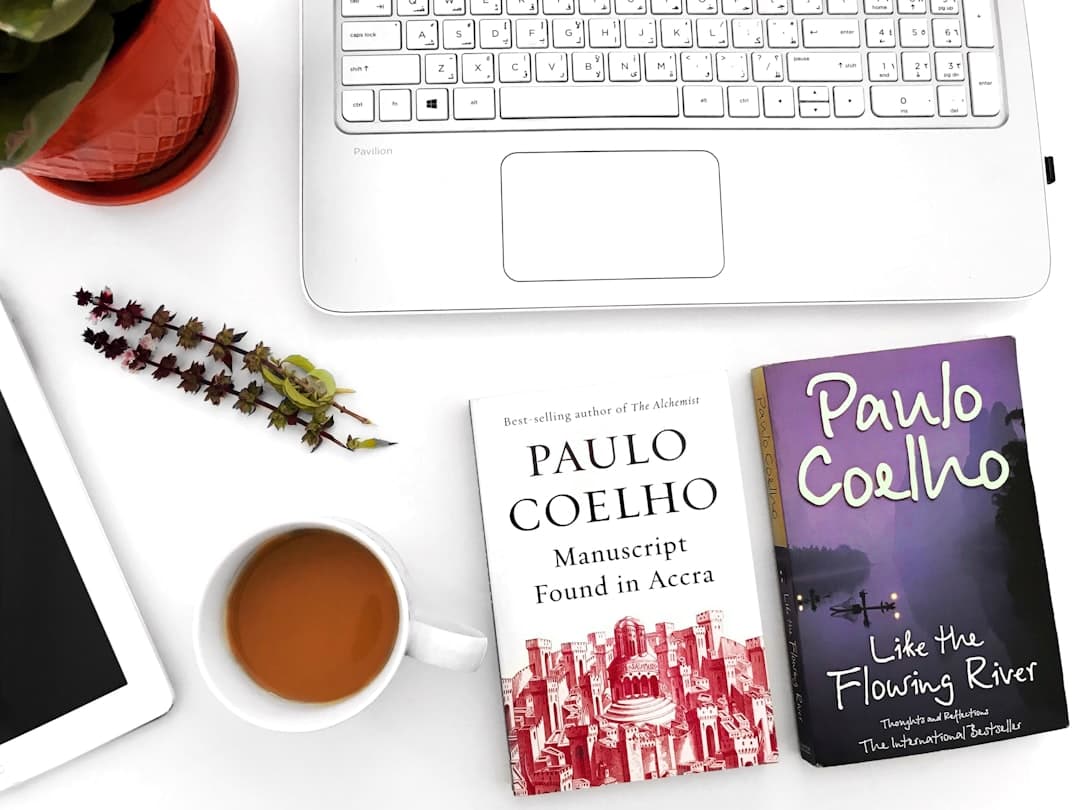
Publishing has always evolved — from the Gutenberg press to mass-market paperbacks to the rise of big-box retail. What's different now is the pace. In the past decade alone, digital tools have altered how manuscripts are written, edited, sold, distributed, and read. The change isn't coming. It's already here.
Submission and Acquisitions Have Gone Digital
The days of mailing printed manuscripts in padded envelopes are largely over. Most literary agencies and publishing houses now accept submissions exclusively through online query portals such as QueryTracker, Submittable, and proprietary systems built by larger houses. These platforms allow agents and editors to log, track, and respond to hundreds of submissions simultaneously — a logistical shift that has made the process faster on the receiving end, even if response times don't always reflect that.
For authors, this means a query letter now competes in an inbox rather than a slush pile. Formatting standards still apply, but the medium is different. Understanding how these portals function — including how submissions are tagged, filtered, and routed — gives authors a clearer picture of what happens after they click send.
Editorial Workflows Have Moved to the Cloud
Collaborative editing tools have replaced much of the back-and-forth that once happened through physical mark-ups and faxed pages. Google Docs, Microsoft Word's tracked-changes feature, and platforms like Scrivener or Vellum now serve as shared workspaces for authors and their editors, regardless of geography.
This shift has practical implications for timelines. Revisions that previously required physical mailing can now be turned around in hours. Editorial notes are logged, version histories are preserved, and communication threads stay attached to the document itself. For editors managing multiple projects, this level of organization reduces errors and keeps production schedules on track.
Copyediting and Proofreading Tools
Software like PerfectIt, ProWritingAid, and the Chicago Manual of Style's online platform have become standard resources in professional editorial workflows. These tools don't replace human editors — publishers still rely on trained professionals for nuance, consistency, and judgment — but they do automate repetitive checks for style inconsistencies, punctuation errors, and formatting irregularities. Editors who use them strategically report spending less time on mechanical fixes and more time on substantive work.
Distribution Models Have Multiplied
Digital distribution has given authors and small publishers access to channels that previously required large-scale industry relationships. Platforms like IngramSpark, Draft2Digital, and Amazon KDP allow books — both print-on-demand and digital — to reach global markets without a traditional distributor contract. This has lowered the barrier to entry for independent publishers and self-publishing authors, while also increasing competition for shelf space and reader attention.
For traditionally published authors, the same infrastructure affects royalty structures, print-run decisions, and backlist availability. Publishers can now keep titles in print indefinitely through print-on-demand fulfillment, which changes how backlist titles are marketed and monetized over time.
Reader Data Has Entered the Room
One of the more significant behind-the-scenes shifts involves reader behavior data. E-reading platforms and subscription services collect granular information about how readers engage with books — where they stop reading, which passages they highlight, how quickly they finish. Some publishers and agents use aggregated versions of this data to inform acquisition decisions, cover design choices, and marketing strategies.
This data doesn't dictate creative decisions, but it does inform commercial ones. Authors working with publishers may find that market research now includes behavioral analytics alongside traditional sales figures and genre trends.
Audio and Serialized Formats Are Growing
Audiobook production has expanded significantly, with platforms like Findaway Voices and ACX giving independent authors direct access to distribution previously limited to larger houses. Simultaneously, serialized fiction platforms — Wattpad, Radish, Royal Road — have developed their own reader ecosystems and, in some cases, their own acquisition pipelines to traditional publishing.
For authors, these formats represent both additional revenue streams and new audiences. Understanding the production requirements, rights considerations, and platform-specific reader expectations for each format has become a practical part of building a publishing strategy.
Technology has not changed what makes a book worth reading. Strong writing, clear editing, and meaningful storytelling remain the foundation. What has changed is the infrastructure around those fundamentals — and understanding that infrastructure is now part of the professional knowledge base for anyone working in the industry.
This article is based on a primary source and has undergone editorial review prior to publication.


