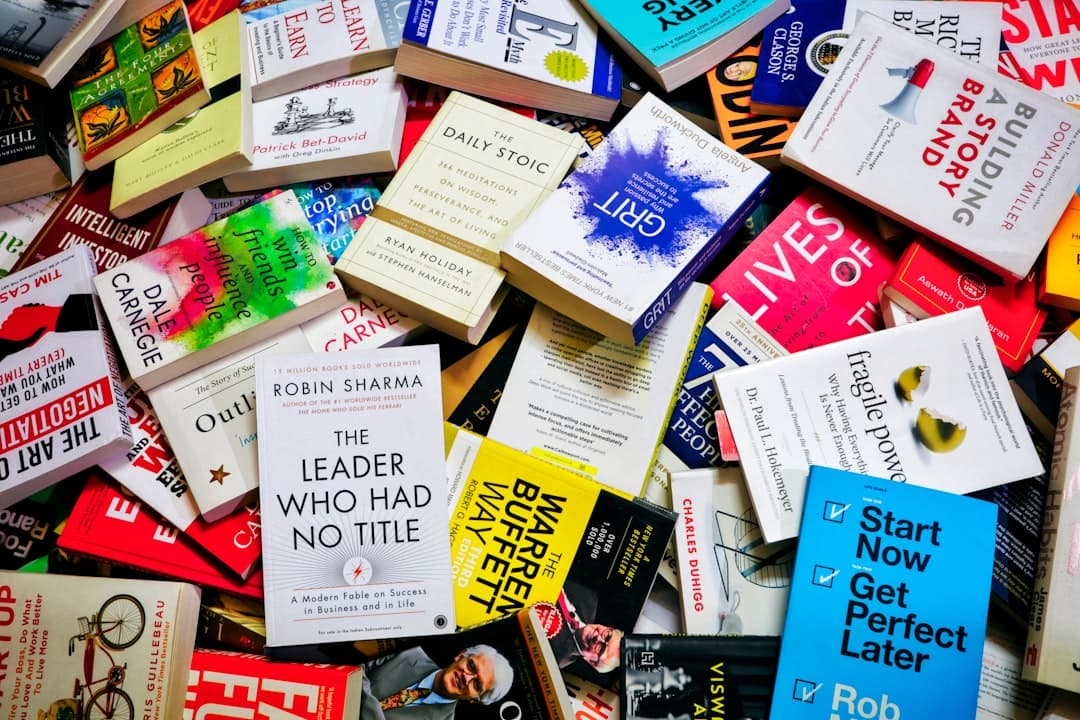
A decade ago, a book deal from a traditional publisher was widely considered the only credible entry point into a professional writing career. Today, that assumption no longer holds. Self-publishing platforms — Amazon Kindle Direct Publishing (KDP), Draft2Digital, IngramSpark, and others — have created an entirely parallel infrastructure for authors to write, publish, distribute, and earn without ever signing with a traditional house.
Royalty Rates That Change the Math
One of the most significant practical differences between traditional and self-publishing lies in royalty structures. Traditional publishing contracts typically offer authors 10–15% royalties on print sales and 25% on ebooks. Self-publishing platforms, by contrast, offer royalties ranging from 35% to 70% depending on pricing and distribution channels. For authors with an established readership, even modest sales volumes can generate income that rivals or exceeds a traditional advance.
This shift has prompted authors across genres — particularly in romance, thriller, science fiction, and fantasy — to either move entirely into self-publishing or adopt a hybrid model, releasing some titles independently while maintaining traditional contracts for others.
Speed to Market as a Competitive Advantage
Traditional publishing timelines from manuscript acceptance to bookstore shelves typically run 12 to 24 months. Self-publishing compresses that window to days or weeks. For authors writing in fast-moving commercial genres, or those building series with dedicated readers, the ability to publish frequently is not just a preference — it directly affects revenue and reader retention.
Data from author survey organizations, including the Alliance of Independent Authors, consistently shows that self-published authors who release three or more titles per year earn significantly more on average than those who publish less frequently. The business model rewards output and speed in ways traditional publishing structures are not designed to accommodate.
Authors as Publishers: The Skills Gap
The practical demands of self-publishing extend well beyond writing. Authors who go independent take on responsibilities that traditional publishers once handled entirely — cover design, copyediting, proofreading, metadata optimization, pricing strategy, and marketing. Many successful independent authors now operate what are, functionally, small publishing businesses.
This reality has created a measurable skills gap. Authors entering self-publishing without knowledge of retail algorithms, category selection, or email list building often struggle to find readership regardless of manuscript quality. The response has been a growth in professional development resources specifically for independent authors, from genre-specific publishing courses to services that connect authors with freelance editors and cover designers who specialize in commercial fiction categories.
How Traditional Publishers Are Responding
The rise of self-publishing has not gone unnoticed inside traditional houses. Some publishers now track self-published titles that demonstrate strong sales before offering acquisition deals — effectively using the market as a testing ground. Authors who have built proven audiences independently are, in some cases, negotiating from a stronger position than debut authors coming through conventional query channels.
Literary agents, too, have adjusted their approach. A growing number actively scout self-published authors with sales records and engaged readerships, recognizing that an existing platform reduces risk for publishers and strengthens a submission's commercial case.
What This Means for Long-Term Career Planning
For working authors, the practical takeaway is that career decisions now involve a broader set of options than at any previous point in publishing history. A traditional deal, a self-publishing strategy, and a hybrid approach each carry different financial structures, creative control implications, and time demands.
Authors entering the industry benefit from understanding both systems in detail before committing to either. Editors and agents working with authors also increasingly find that knowledge of self-publishing economics is part of serving clients effectively — whether or not those clients ever publish independently.
The infrastructure, the audience behavior, and the income models in publishing have all shifted. The authors and publishing professionals navigating careers today are operating with a fundamentally different set of tools than those who came before them.
This article is based on a primary source and has undergone editorial review prior to publication.