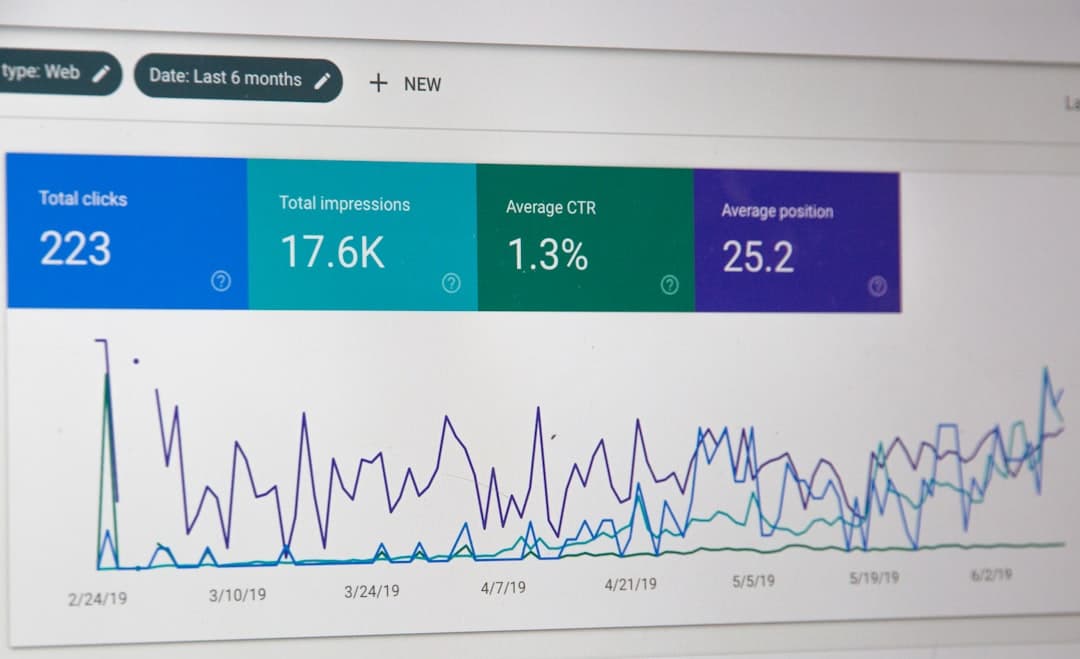
For decades, editorial decision-making in publishing ran on instinct, taste, and experience. A seasoned editor read a manuscript, felt something, and made a call. That process has not disappeared — but it now sits alongside spreadsheets, search trend reports, and reader behavior analytics in ways that are reshaping how books get acquired, positioned, and sold.
What Data Publishers Are Actually Using
The shift is not uniform across the industry. Large commercial publishers have invested heavily in proprietary analytics platforms that track everything from Amazon bestseller movements to social media conversation volume around specific genres and topics. Smaller independent presses tend to rely on publicly available tools: Google Trends, BookScan sales data, Goodreads shelf statistics, and metadata from library lending platforms like OverDrive and Libby.
What editors look at most frequently falls into a few categories: sales performance of comparable titles, search volume for subject matter, reader demographic data from retailer dashboards, and engagement patterns on pre-publication excerpts or author platforms. Each of these data points feeds into a clearer picture of whether a specific book can find a defined audience — and how large that audience might realistically be.
How This Changes the Acquisitions Conversation
Literary agents have noticed the shift in how editors respond to submissions. Proposals that once lived or died on the strength of writing alone now need to demonstrate market awareness. Agents increasingly include comp title performance data, author platform metrics, and search trend screenshots in their pitch packages — not to replace the creative case for a book, but to support it with evidence that a readership exists and is active.
For nonfiction, the change is especially pronounced. An editor considering a book on, say, sleep science or personal finance will look at whether search interest in that subject has been growing or declining over the past two to three years. Flat or falling trends can cool interest in an otherwise strong proposal. Rising trends — particularly when paired with underserved search intent — can accelerate an acquisition.
Fiction Is Not Immune
Genre fiction has always tracked trends more explicitly than literary fiction, but data tools have made that tracking more precise. Editors at commercial imprints now monitor which subgenres are gaining shelf space in indie bookstores, which tropes are appearing most frequently in fan fiction communities, and which themes are driving pre-order behavior on retail platforms. A manuscript that aligns with an emerging pattern — rather than one that peaked two years ago — carries a measurable advantage in acquisition discussions.
Where Data Has Clear Limits
Publishers and editors who work with analytics are also the first to acknowledge what the numbers cannot capture. Data reflects past and present behavior — it does not reliably predict which books will create new categories or shift cultural conversation. Breakout titles frequently defy existing trend lines. The books that define a decade rarely looked like safe bets in a data dashboard at the time of acquisition.
Many editors describe using data as a filter rather than a compass. It can rule out obvious misalignments between a manuscript and market conditions, but it does not replace editorial judgment about voice, originality, or long-term cultural staying power.
Practical Steps for Authors and Agents
Understanding how editors use data means authors and agents can engage with that process rather than be surprised by it. Researching your comp titles thoroughly — including their actual sales trajectories, not just their titles — gives you a more credible foundation for market arguments. Monitoring your own genre's search trends through free tools like Google Trends or exploring Goodreads shelf data for comparable books provides context that strengthens a proposal.
For working editors, building basic data literacy into the acquisitions workflow — even at smaller houses without enterprise analytics budgets — creates more consistent, defensible decision-making. Free tools are sufficient to answer basic questions about category health and reader interest before a full acquisitions meeting.
The editorial eye and the data dashboard are not in competition. In practice, the most effective editorial decisions draw from both — bringing craft instincts and market evidence into the same conversation.
This article is based on a primary source and has undergone editorial review prior to publication.


