Every year, hundreds of thousands of authors choose to self-publish. The path offers creative control, higher royalty rates, and faster turnaround — but it also transfers every responsibility that a traditional publisher would shoulder directly onto the author. Without a team of editors, designers, and marketers behind them, first-time self-publishers frequently encounter the same avoidable problems.
Skipping Professional Editing
The most documented mistake among debut self-publishers is releasing a manuscript that has not been professionally edited. Beta readers and writing groups provide valuable feedback, but they are not substitutes for a developmental editor, a copy editor, and a proofreader — three distinct roles that serve three distinct purposes.
Developmental editors assess structure, pacing, and narrative logic. Copy editors address grammar, consistency, and style. Proofreaders catch the errors that survive every previous pass. Skipping any one of these stages increases the likelihood that readers encounter problems that pull them out of the reading experience — and that reviewers note publicly.
Underestimating Cover Design
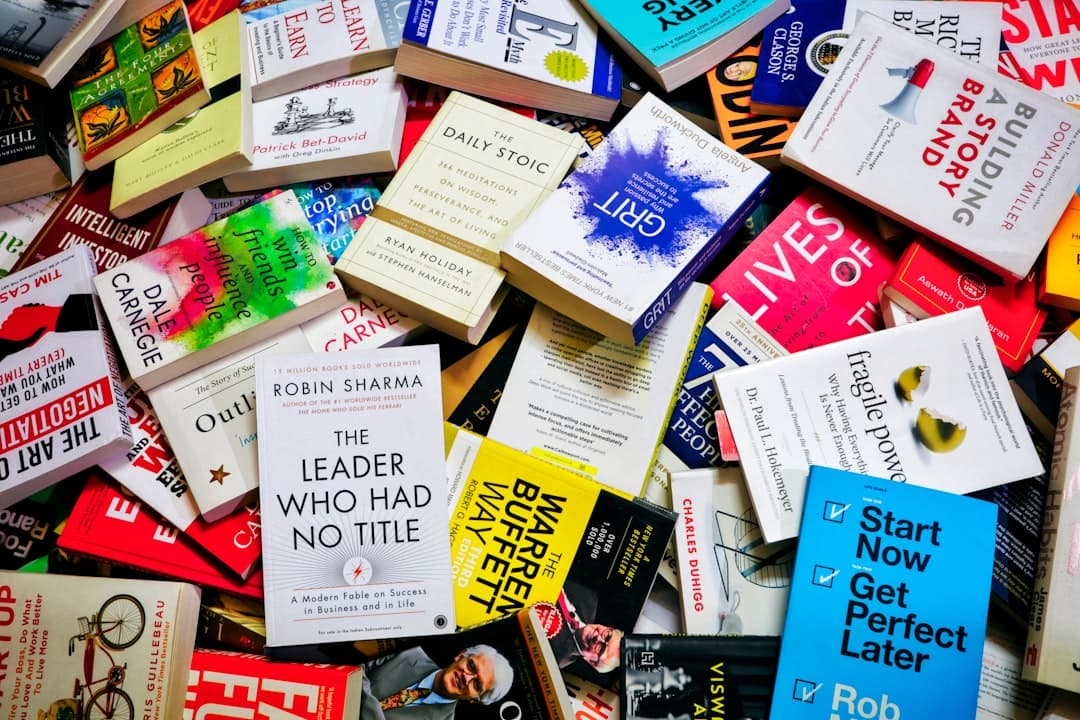
Readers do judge books by their covers, and nowhere is this more consequential than in online retail environments where a thumbnail image is the first and sometimes only point of contact between a book and a potential buyer. Amateur cover design — identifiable by mismatched fonts, low-resolution images, or genre-inappropriate visuals — signals to experienced readers that the interior may reflect the same level of care.
Professional cover designers who specialize in specific genres understand the visual conventions that signal to genre audiences. A thriller cover and a cozy mystery cover communicate through entirely different design languages, and violating those conventions can suppress discoverability even when the writing is strong.
Formatting for Only One Platform
Many first-time self-publishers format their manuscript for a single retailer — most often Amazon's Kindle Direct Publishing — without considering how that file will render across other platforms, devices, or print formats. An ebook formatted exclusively for Kindle may display incorrectly on Kobo, Apple Books, or Barnes & Noble's Nook platform.
Print-on-demand formats carry their own separate requirements around bleed, margins, spine width, and image resolution. Authors who intend to distribute both digital and print editions need two properly prepared files, not one adapted version of the other.
Publishing Without an ISBN Strategy
Free ISBNs offered through distribution platforms assign the platform — not the author — as the publisher of record. This limits where and how the book can be distributed and affects how the title appears in library catalogs, retail databases, and industry listings. Authors who plan to expand distribution, pursue library sales, or establish a publishing imprint benefit from purchasing their own ISBNs through their national ISBN agency before publishing.
Treating Launch Day as the Marketing Plan
A common misconception frames the publication date as the culmination of the process. In practice, launch day marks the beginning of a book's commercial life, not the end of its production cycle. Authors who begin marketing efforts only after a book is live have already missed the window for building advance reader copies, early reviews, and pre-orders — all of which influence algorithmic visibility on retail platforms.
Building a reader list, connecting with relevant book communities, and scheduling promotional activity weeks before publication produces measurably different outcomes than a launch with no prior groundwork.
Pricing Without Research
Self-publishers sometimes set prices based on personal preference rather than genre standards. Readers in every genre carry price expectations shaped by years of market behavior. Pricing a debut romance novel above established market rates, or pricing a nonfiction guide so low that it signals low credibility, both affect conversion rates.
Researching the price range of comparable titles — same genre, similar length, similar author platform size — provides a data point that removes guesswork from a decision with direct revenue implications.
Rushing the Process
The flexibility of self-publishing makes it possible to go from finished draft to published book within days. That speed becomes a liability when it compresses or eliminates the stages that ensure a professional result. The authors who build sustainable self-publishing careers consistently report treating each release with the same deliberate timeline they would expect from a traditional publisher — because readers hold every book to the same standard regardless of how it was published.
This article is based on a primary source and has undergone editorial review prior to publication.