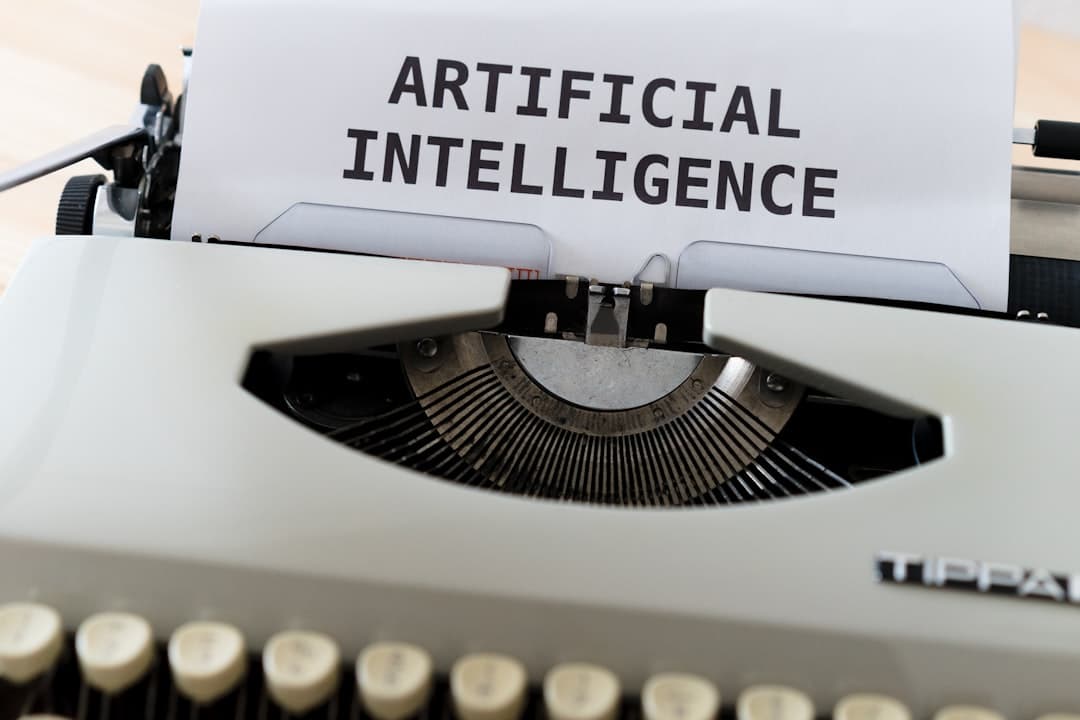
Across publishing houses, literary agencies, and independent author communities, artificial intelligence has moved from a topic of speculation to an operational reality. The shift has been rapid. Tools that were experimental two years ago now sit inside daily workflows at major editorial departments and one-person author businesses alike.
Where AI Is Currently Being Used
The most widespread adoption is happening in three areas: developmental feedback, copy editing assistance, and marketing copy generation.
Large language models such as ChatGPT, Claude, and Gemini are being used by authors to pressure-test plot structure, identify pacing inconsistencies, and generate alternative dialogue options. These tools do not replace the editorial eye, but they give writers a responsive sounding board available at any hour.
On the editorial side, AI-assisted grammar and style checkers — including Grammarly, ProWritingAid, and newer integrations built directly into Microsoft Word and Google Docs — have become standard. Several mid-size publishers have reported using AI tools to handle early-stage manuscript screening, flagging submissions that fall outside established genre parameters before human editors review them.
Marketing departments are using AI to draft catalog copy, back-cover blurbs, and social media content at scale. A publicist managing forty titles per season can generate first-draft promotional material in a fraction of the time previously required.
The Contract and Rights Conversation
Literary agents are now routinely adding AI clauses to publishing contracts. These clauses address two distinct concerns: whether an author used AI to generate portions of a manuscript, and whether a publisher intends to use a finished work to train AI models.
The Authors Guild and several national writer organizations have published contract guidance recommending that authors retain explicit control over how their work is used in AI training datasets. Some publishers have responded by including opt-out provisions. Others have not. Agents advise authors to raise the question before signing, not after.
What Editors and Agents Are Observing
Acquisition editors at several imprints have noted an increase in submissions that are technically clean but structurally flat — manuscripts that read as though they were generated or heavily augmented by AI without sufficient human revision. The prose passes surface-level checks but lacks the specificity and idiosyncratic voice that distinguish publishable literary work from competent template writing.
Agents report similar patterns in query letters. AI-generated queries tend to be grammatically correct and follow proper format, but they often fail to convey a genuine sense of the author's relationship to their subject matter — something experienced agents read for instinctively.
Practical Steps for Working Writers
Authors who are using AI tools effectively tend to follow a consistent approach: they use AI for structural brainstorming and first-pass feedback, then revise heavily by hand before involving any human editor. The technology functions as a pre-draft resource, not a finishing tool.
Editors integrating AI into their workflow are using it to handle mechanical consistency checks — ensuring character names are spelled uniformly, flagging repeated sentence structures, tracking timeline continuity — while reserving substantive line editing for their own judgment.
Publishers producing high volumes of content, such as academic presses and commercial genre imprints, are finding the most operational efficiency in AI-assisted metadata generation, keyword tagging for discoverability, and rights management documentation.
What Has Not Changed
The underlying demand of the publishing industry remains unchanged: readers want books that feel true, specific, and human. The authors, editors, and agents navigating the current moment most successfully are treating AI as one instrument in a larger set of professional tools — useful for certain tasks, insufficient for others, and never a substitute for the judgment that comes from years of working closely with language and story.
The technology will continue to develop. The professionals who understand both its capabilities and its limits are best positioned to work with it on their own terms.
This article is based on a primary source and has undergone editorial review prior to publication.


