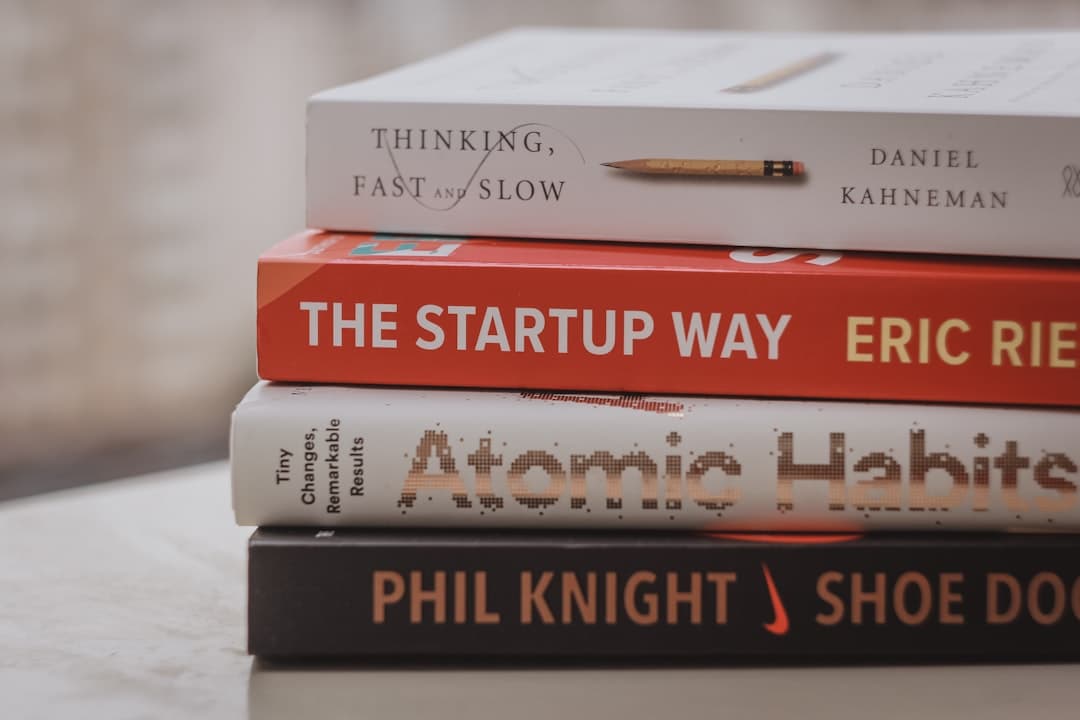
Walk into the home office of a consistently productive author and you are unlikely to find chaos. What you will find, more often than not, is structure — a visible plan, a daily word count target, and a set of rituals that eliminate decision fatigue before the first sentence is written.
Across interviews with novelists, memoirists, and nonfiction writers who publish regularly, several common practices emerge. These are not personality traits or gifts. They are learned behaviors that any writer can adopt.
Start With a Map, Not a Blank Page
Prolific authors almost universally begin with some form of outline before drafting. The depth of that outline varies — some writers work from a detailed chapter-by-chapter breakdown, others from a loose sequence of narrative beats — but the underlying logic is the same: entering a writing session with a decision already made about what happens next removes the single biggest source of delay.
Thriller writer frameworks like the three-act structure, the Save the Cat beat sheet, or the Story Grid's five commandments give fiction authors a skeleton to build against. Nonfiction writers often work from a reverse-engineered table of contents, treating each chapter as a standalone argument with a clear premise and evidence plan.
The Outline Is a Draft, Not a Contract
Experienced authors treat outlines as living documents. They revise the map as the territory changes. This flexibility prevents the common trap of abandoning structure entirely when the story shifts — instead, the outline shifts with it.
Daily Word Counts Over Marathon Sessions
The most measurable habit among high-output writers is a non-negotiable daily word count, written at roughly the same time each day. The number itself is less important than its consistency. Many authors working on a first draft target between 500 and 2,000 words per session — modest enough to achieve on a difficult day, meaningful enough to accumulate into a manuscript within months.
At 1,000 words per day, a 90,000-word novel takes ninety writing days. At five days per week, that is roughly eighteen weeks — a complete draft in under five months, even accounting for missed sessions and revision.
Writers who track their output — using spreadsheets, apps like Scrivener, or simple notebooks — report a measurable increase in follow-through. Seeing a streak builds momentum; breaking one creates immediate accountability.
Separating the Drafting Brain From the Editing Brain
A pattern that appears repeatedly in how fast finishers describe their process: they draft without editing. The first pass through a manuscript is treated as raw material, not finished prose. Stopping to polish a paragraph while drafting interrupts forward momentum and often leads to sessions that produce little new content.
Many authors disable spell-check during drafting, write with the screen dimmed, or use software like Draft or iA Writer that strips away formatting options. The goal is to reduce friction between thought and page.
Editing begins only after the full draft exists. At that point, the writer can see the whole structure and make global decisions rather than local ones.
Time Blocking and the Single-Project Rule
Juggling multiple manuscripts simultaneously is a common productivity trap. Authors who finish books consistently tend to protect one primary project at a time, keeping secondary ideas in a dedicated holding file — often called an idea vault or parking lot — so those thoughts are captured without competing for daily writing time.
Time blocking, borrowed from productivity practice, reserves specific hours for writing and treats them as immovable appointments. Research, correspondence, and revision occupy separate time slots. This separation prevents the day from filling with writing-adjacent tasks while the actual manuscript stalls.
The Role of Deadlines, Real or Manufactured
External deadlines from publishers and agents are well-known motivators. What is less discussed is how authors without external accountability manufacture their own. Writing partners, public accountability posts, or pre-booked editing slots with a freelance editor all function as soft deadlines that create forward pressure.
Some authors schedule their launch date before the manuscript is finished — not as a commitment to publish, but as a psychological anchor that makes completion feel concrete rather than theoretical.
The throughline across all of these methods is simple: productive authors make finishing a book a system, not an event.
This article is based on a primary source and has undergone editorial review prior to publication.


