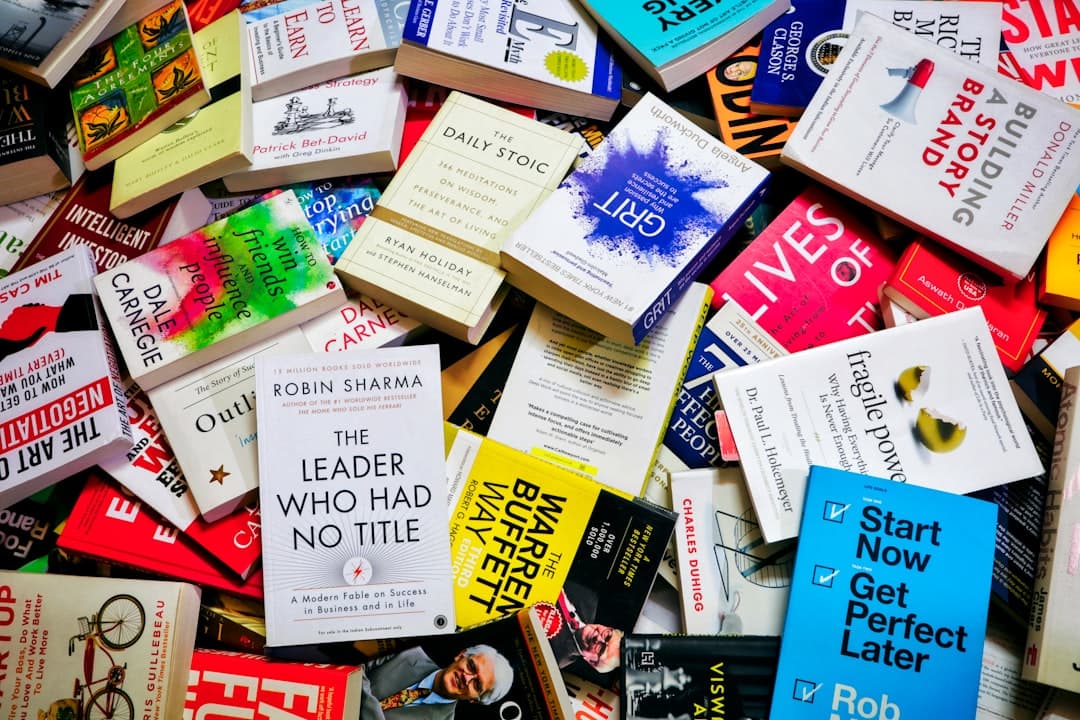
Writing awards occupy a peculiar space in publishing culture. Some authors dismiss them as expensive long shots, while others treat every shortlist placement as career currency. The reality, backed by the experiences of working authors and industry professionals, lands somewhere more practical: entering awards — and occasionally winning them — produces measurable professional outcomes that extend well beyond the ceremony itself.
Credibility That Travels With Your Name
When an author's name appears on a longlist, shortlist, or winner's announcement, that designation becomes a permanent credential. Literary agents and acquisition editors regularly scan award announcements as part of their discovery process. A shortlist placement from a recognized competition signals that at least one panel of industry readers found the work compelling enough to elevate — a form of third-party validation that a query letter alone cannot replicate.
For authors submitting to agents or pitching publishers, the phrase "longlisted for [award name]" in a bio or query carries weight proportional to the award's reputation. Even regional or genre-specific awards carry meaning within their respective communities, where the readers and gatekeepers who matter most are already paying attention.
Exposure to Readers Outside Your Existing Audience
Award programs typically generate press coverage, social media activity, and curated reading lists that reach audiences far beyond an author's current followers. Readers who discover a book through an award announcement arrive with a built-in endorsement — they already have a reason to trust the work.
Many awards also distribute their longlists and shortlists to booksellers, librarians, and book clubs, creating placement opportunities that would otherwise require a dedicated marketing campaign. For independent and small-press authors especially, this kind of organic distribution can outperform paid advertising in terms of sustained visibility.
The Process Itself Has Professional Value
Preparing a submission for a literary award requires authors to look at their work through a specific lens — often rereading, editing, and articulating what makes the manuscript distinctive. This process frequently surfaces revision opportunities or clarifies the book's core strengths, both of which serve the work regardless of the outcome.
Authors who enter awards with original short fiction or essays also generate completed, polished pieces that can be submitted to literary magazines, anthologies, and other venues after the competition closes. One well-crafted short story can circulate through multiple competitions and publications over several years.
Networking and Community Access
Many award programs include events — readings, panels, ceremonies, or online gatherings — where finalists and winners interact with judges, publishers, and fellow authors. These events function as concentrated networking opportunities that are difficult to manufacture through standard conference attendance alone.
Judges for literary awards are frequently agents, editors, critics, or established authors. The act of entering places an author's work in front of professionals who may not have encountered it otherwise. Even when direct contact does not follow, awareness is built — and in publishing, familiarity with a name and its associated work matters over time.
How to Approach Awards Strategically
Authors and their publishers benefit from treating award submissions as part of a broader visibility plan rather than a single gamble. Researching eligibility windows, entry fees relative to potential exposure, and the professional standing of each award's judges helps prioritize which competitions merit the investment.
Tracking submission deadlines annually, maintaining a shortlist of relevant competitions by genre and form, and budgeting entry fees as a standard line item in a book's marketing plan are practices used by authors who treat awards participation as routine professional activity rather than a one-time effort.
The authors and publishers who benefit most from awards are those who enter consistently, select competitions aligned with their genre and audience, and leverage each recognition — however modest — across their bios, press materials, and query correspondence. Over a career, those accumulated credentials compound into a reputation that precedes the work itself.
This article is based on a primary source and has undergone editorial review prior to publication.