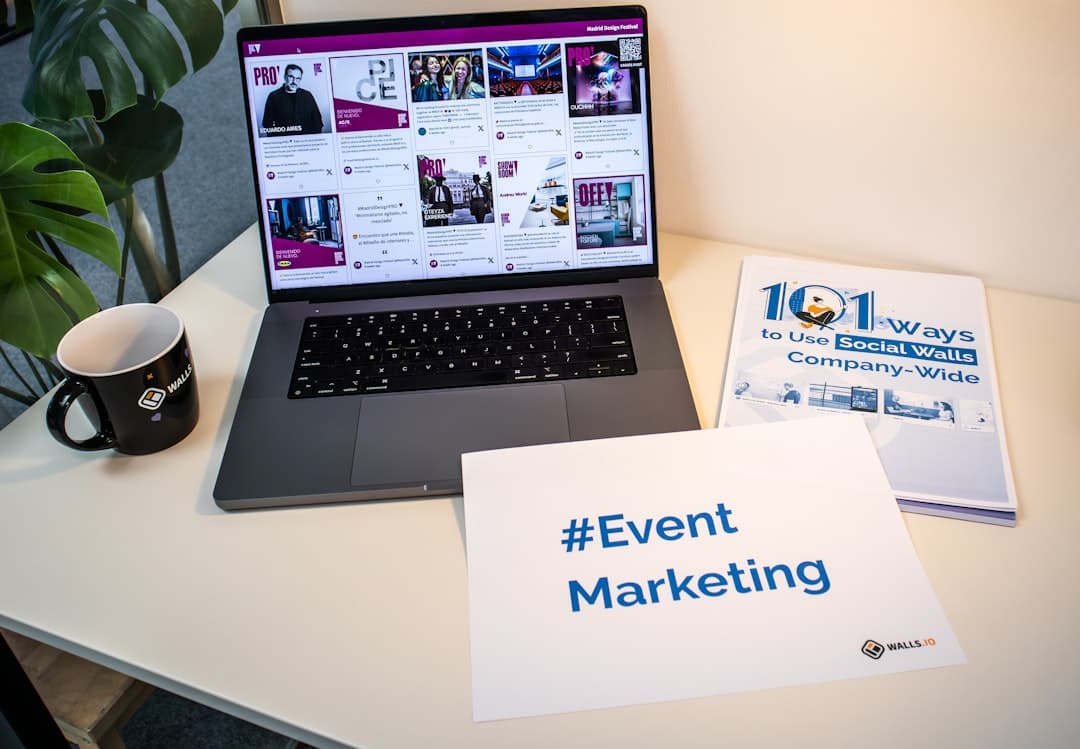
The publishing industry has always run on relationships — between writers and agents, editors and authors, publishers and booksellers. For decades, those relationships were built primarily at in-person events: writing conferences in hotel ballrooms, book fairs crowded with professionals, and workshop retreats tucked into rural settings. Today, a significant portion of that professional networking and skill-building happens through a screen.
The Shift to Virtual Formats
Online writing events — including virtual conferences, webinars, live pitch events, and digital critique workshops — have grown substantially in both number and attendance over the past several years. Organizations like the Association of Writers & Writing Programs (AWP), Romance Writers of America (RWA), and independent literary groups now host hybrid or fully virtual programming that draws participants from dozens of countries.
The practical advantages are measurable. Attendance costs drop significantly when travel, accommodation, and venue fees are removed from the equation. A writer in rural New Zealand and a debut novelist in rural Ohio can attend the same pitch session with a New York-based literary agent on the same afternoon. Geographic distance, which once served as a real barrier to professional development, carries far less weight in a virtual environment.
Pitch Events and Agent Access
Virtual pitch events — structured sessions where writers submit short pitches to agents and editors via social media platforms or dedicated event portals — have become a consistent feature of the publishing calendar. Events like #PitMad (now retired but widely influential), #DVpit, and various publisher-hosted pitch contests demonstrated that agents could review a high volume of project queries efficiently in a compressed timeframe.
For writers, these events offer a structured opportunity to refine their pitching skills. A pitch limited to 280 characters or a 90-second video forces authors to distill their manuscript's core concept, genre, and hook into precise language — skills that translate directly to writing query letters and book proposals.
Agents and acquiring editors, for their part, have reported that virtual pitch events surface manuscripts and voices that might not have reached them through standard query channels, particularly from writers who are first-generation college graduates, non-native English speakers, or those without existing industry connections.
Workshops, Critiques, and Craft Development
Beyond pitch events, virtual workshops have changed the way writers receive feedback on their work. Platforms like Zoom, Discord, and dedicated writing community tools allow critique groups to operate across time zones. Writers can now access manuscript feedback from a published author's workshop without relocating for a summer residency.
Many literary organizations now record their webinars and panel discussions, creating searchable archives of craft instruction. A writer can revisit a session on point-of-view techniques or commercial fiction structure multiple times, treating the material as reference rather than a one-time experience.
What the Industry Is Watching
Publishers and literary agencies are paying attention to how virtual events influence submission trends. Some agencies have noted increases in query volume following large virtual pitch events and have adjusted their intake processes accordingly — including temporary submission windows aligned with event schedules.
Small and independent publishers have used virtual events to host their own programming, building direct relationships with readers and writers without the overhead of sponsoring large-scale conferences. This has allowed publishers with modest budgets to maintain visibility in a competitive market.
Practical Steps for Navigating Virtual Events
Research the event format before registering
Different events serve different goals. A pitch event targets writers with completed, polished manuscripts. A craft webinar serves writers still developing their work. Matching the event to your current stage saves time and sets realistic expectations.
Treat virtual networking with the same professionalism as in-person
Follow-up emails after a virtual panel, thoughtful comments during a live Q&A, and engagement with an agent's or editor's published content all contribute to professional visibility.
Use recordings strategically
Many paid virtual events include recording access. Watching sessions more than once — particularly those covering querying, contracts, or editorial process — allows professionals to absorb dense information at their own pace.
Virtual events have not replaced in-person gatherings, and most publishing professionals continue to value the unscripted conversations that happen in conference hallways and after-hours dinners. What virtual formats have done is widen the room considerably — making space for more voices, more manuscripts, and more careers to move forward.
This article is based on a primary source and has undergone editorial review prior to publication.