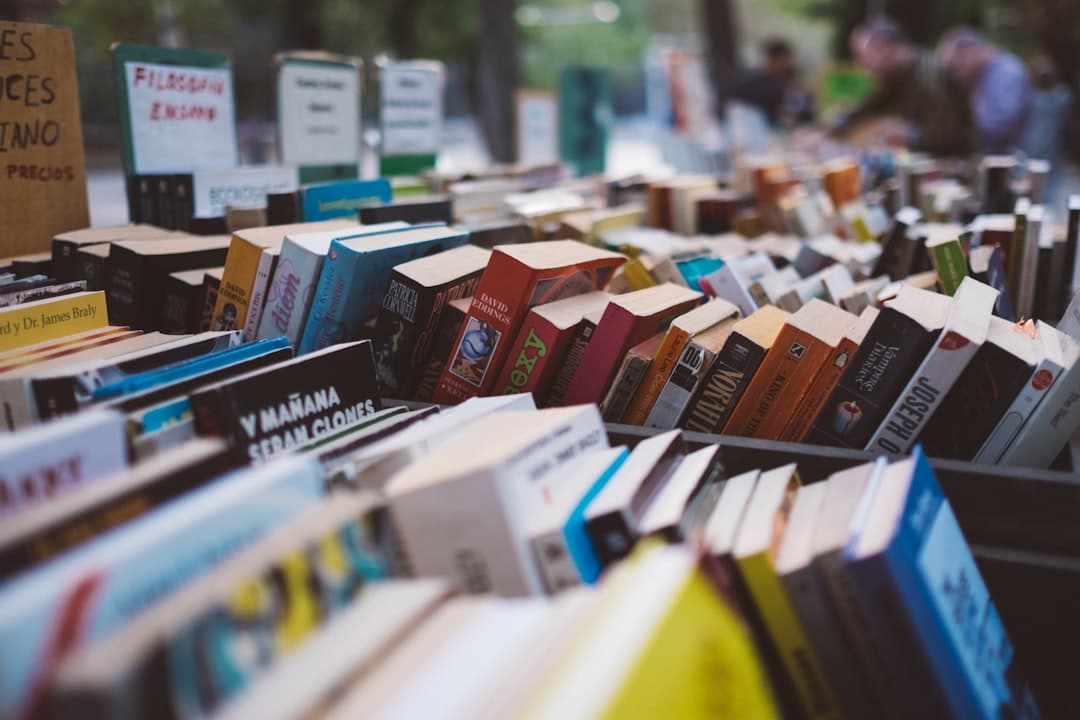
Every year, hundreds of book festivals take place across the globe — from the sprawling Edinburgh International Book Festival to regional literary weekends with a few hundred attendees. For readers, they are a celebration. For writers, editors, and publishing professionals, they function as something closer to a working marketplace.
Direct Access to Industry Gatekeepers
Literary agents, acquisitions editors, and publishers attend book festivals not only to support authors on their lists, but to scout new voices. Festivals such as Hay-on-Wye, Brooklyn Book Festival, and Toronto's International Festival of Authors create structured and informal settings where writers can have brief, genuine conversations with the very people who make publishing decisions.
Unlike a query letter filtered through a submissions inbox, a face-to-face exchange at a panel Q&A or a festival networking evening carries personal context. Writers who research which agents and editors are attending — and prepare a clear, practiced pitch — routinely report making contacts that led directly to representation or publishing offers.
Panel Appearances as a Credibility Signal
Being selected to appear on a festival panel positions a writer as an authority within a specific genre or subject area. Festival programmers look for authors with a published book, a forthcoming title, or a recognized area of expertise. Once on a panel, a writer's name appears in printed programs, on festival websites, and in press coverage — all of which contribute to a professional profile that outlasts the event itself.
For debut authors especially, a festival appearance alongside more established writers can accelerate visibility in ways that are difficult to manufacture through social media alone.
Rights and Translation Conversations
International book festivals attract foreign rights scouts, translation publishers, and literary scouts working across multiple territories. The London Book Fair and Frankfurt Book Fair operate as dedicated rights markets, but smaller literary festivals also draw international attention, particularly in cities with strong publishing ecosystems.
Writers with a published book, a strong manuscript, or a developing series can use these settings to initiate conversations about translation rights, co-publications, or territory-specific editions. Bringing a one-page rights overview or a concise synopsis makes these conversations easier to continue after the event.
Workshops and Manuscript Development
Many festivals run structured workshops, manuscript assessment sessions, and masterclasses alongside their public programming. These sessions — often led by working editors, published authors, or writing development organizations — provide craft feedback in a concentrated format.
Writers at early career stages frequently use festival workshops to receive editorial input they cannot access locally. Some festivals offer one-on-one manuscript consultations as part of their program, which function as a short form of developmental editing and can meaningfully shift a project's direction.
Bookseller and Distributor Relationships
Independent booksellers attend festivals in significant numbers, and they are often the most accessible business contacts a writer can meet in person. A conversation with a bookseller at a festival can result in a bookshop stocking a title, hosting a launch event, or recommending a book to its customer community.
Small press authors and self-published writers with professional production standards find these introductions particularly valuable, since independent booksellers are more flexible about stocking decisions than large retail chains.
How to Approach a Festival with Purpose
Writers who extract the most value from festivals do so through preparation rather than luck. Practical steps include reviewing the full program before arrival, identifying three to five specific people to connect with, attending events outside one's own genre to expand professional networks, and following up within 48 hours of any meaningful conversation.
Volunteering at festivals is another reliable entry point. Festival volunteers gain behind-the-scenes access to author green rooms, speaker dinners, and organizer networks — environments where professional conversations happen naturally and without the pressure of a formal pitch setting.
Book festivals operate on a human scale that larger industry events do not always allow. That quality — proximity, shared focus, and a built-in reason to talk about books — remains one of the most consistent and underused advantages available to working writers.
This article is based on a primary source and has undergone editorial review prior to publication.