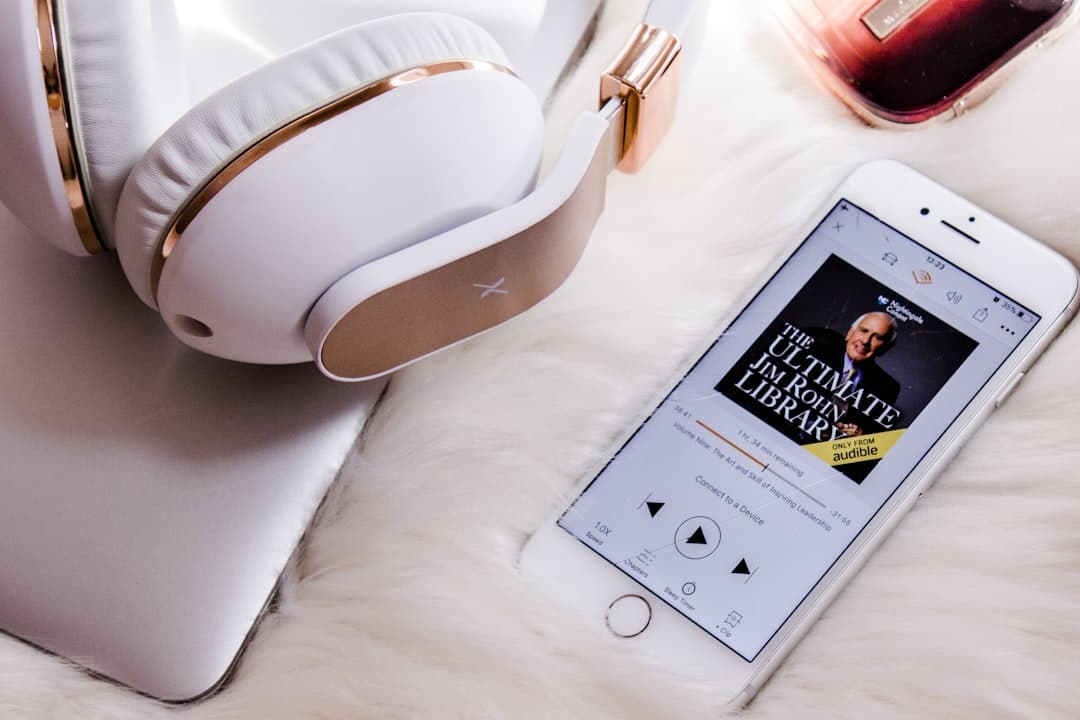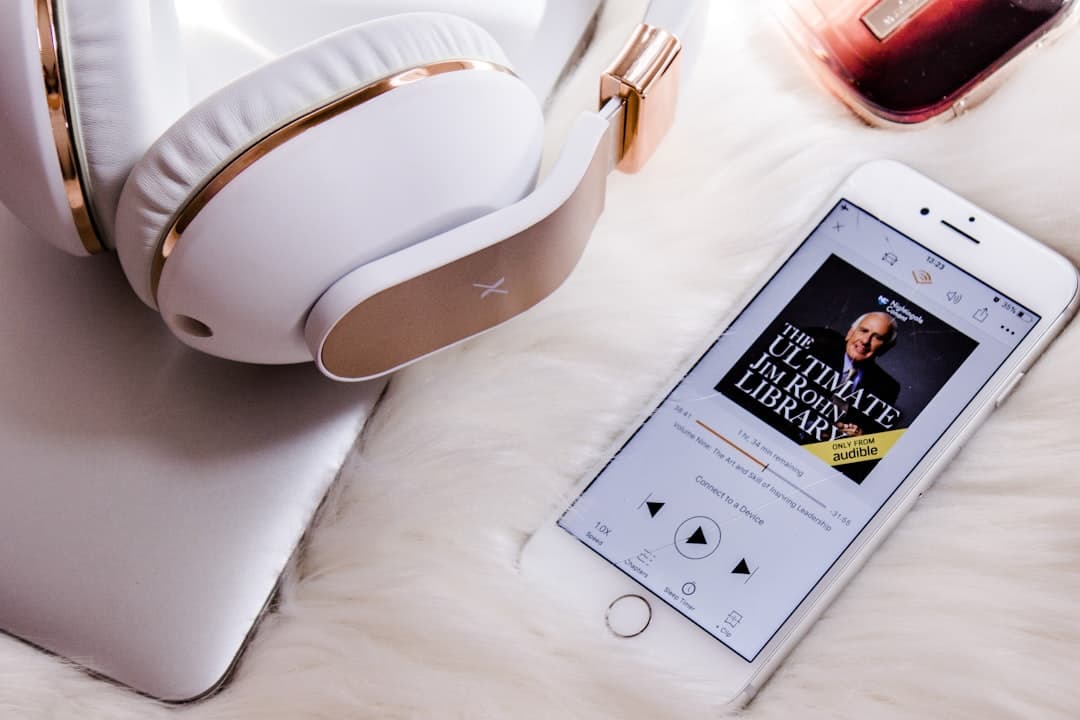
The audiobook market has expanded dramatically over the past decade. According to the Audio Publishers Association, U.S. audiobook sales have posted consecutive years of revenue growth, with the format now generating over $1.8 billion annually. That growth is not a niche trend — it represents a structural shift in how readers consume books, and it carries direct consequences for writers at every stage of their careers.
What the Numbers Mean for the Writing Desk
When a significant portion of a book's audience will never read a single printed word, the craft decisions a writer makes during drafting take on new dimensions. Sentence rhythm, dialogue attribution, and prose clarity all behave differently when experienced through sound rather than sight. A long, visually elegant sentence that scans beautifully on the page can become difficult to follow when read aloud at a continuous pace. Repetitive sentence structures that a reader's eye naturally skims can feel monotonous to a listener who has no ability to re-read a paragraph.
This does not mean writers should abandon literary complexity. It means they benefit from testing their work against both mediums. Reading manuscripts aloud during revision — a technique many writing coaches have long recommended — has taken on renewed relevance as a practical editing tool, not just a stylistic exercise.
Dialogue and Attribution Under the Microscope
Audiobook production places particular pressure on dialogue. When a narrator voices multiple characters across a long exchange, unclear attribution creates genuine listener confusion. Writers who rely heavily on context to signal who is speaking — a technique that works reasonably well on the page — may find that those same passages become muddy in audio format.
Practical adjustments include using character names or clear action beats at regular intervals in extended dialogue sequences, and varying character voice and speech pattern enough that a skilled narrator has something to work with. These are not compromises to literary style — they are refinements that tend to strengthen the prose regardless of format.
Pacing and Chapter Structure
Audiobook listeners frequently consume content in fixed increments — during a commute, a workout, or a household task. This listening behavior has renewed attention on chapter length and pacing architecture. Chapters that run very long without natural resting points can feel relentless in audio, while very short chapters can create a choppy, fragmented experience when listened to in sequence.
Some authors and editors are now approaching chapter breaks as deliberate audio cues, building toward minor resolution points that give listeners a satisfying place to pause. This mirrors techniques used in serialized fiction and scripted audio drama, and the crossover is deliberate — the audio audience for books and the podcast audience overlap considerably.
How Agents and Publishers Are Responding
Literary agents increasingly factor audio potential into acquisition conversations. A manuscript with clean, performable prose and strong vocal differentiation between characters presents a more complete commercial package than one that reads beautifully but would require heavy adaptation for audio production. Some publishers now include audio rights discussions earlier in deal negotiations, and hybrid audiobook deals — where the author retains audio rights — have become a more common negotiating point.
For self-publishing authors, the economics are direct. Platforms like Audible's ACX marketplace allow authors to produce and distribute audiobooks independently, and royalty structures on audio sales can match or exceed those on ebook formats. Authors who produce audio editions consistently report broader overall discoverability, particularly through platforms that surface audio content to listeners who may not have encountered a title through traditional book retail channels.
Practical Steps for Writers Working Today
Writers who want to account for audio in their process do not need to overhaul their approach. Three targeted habits cover the majority of the ground: reading every draft chapter aloud before considering it finished, reviewing dialogue exchanges specifically for attribution clarity, and studying the pacing of audiobooks in their own genre by listening to titles that perform well in the format.
The audiobook audience is not a separate readership to write for — it is the same readership, accessing the same story through a different channel. Writers who treat that channel as part of their craft from the beginning are better positioned across every format their work eventually reaches.
This article is based on a primary source and has undergone editorial review prior to publication.