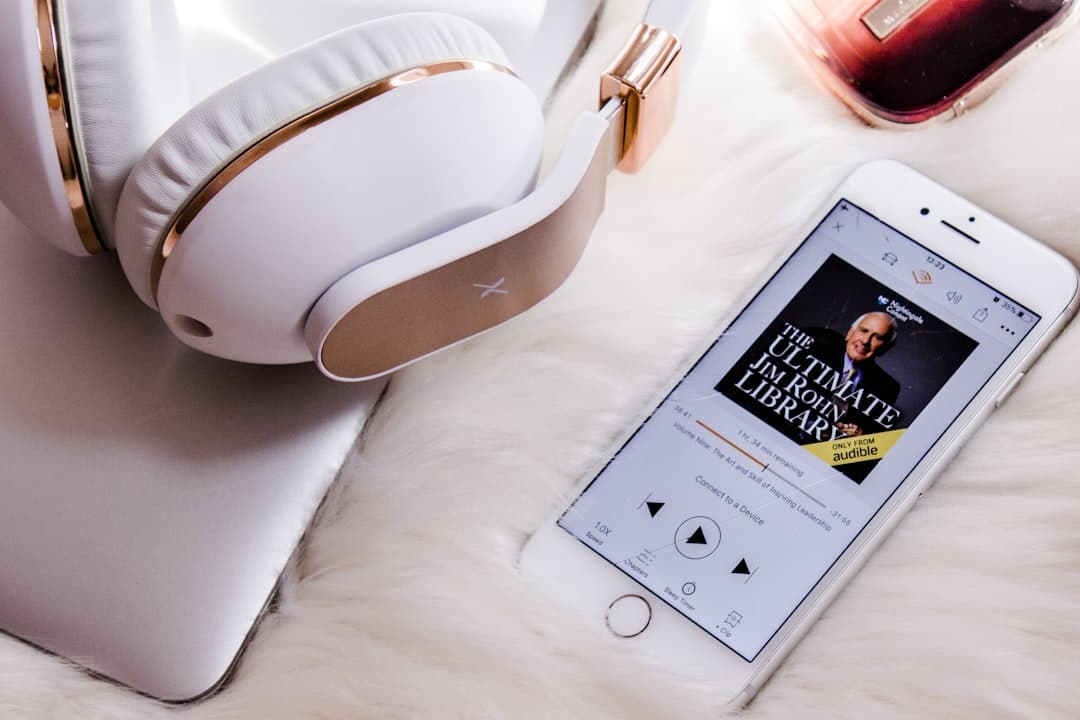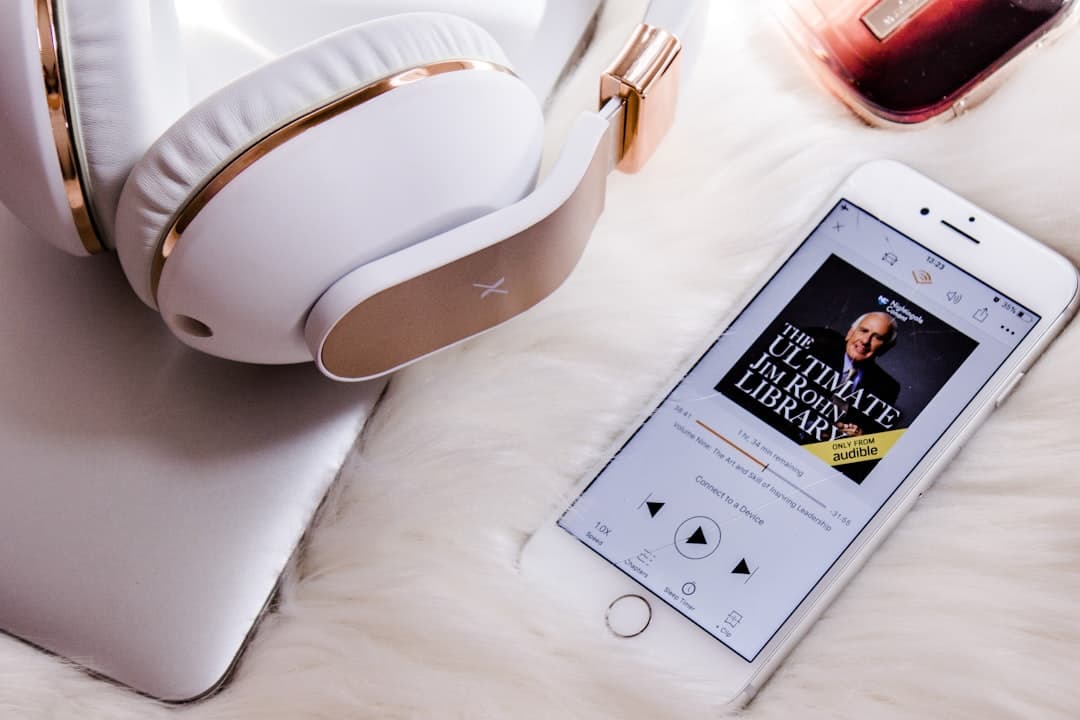
Audiobook sales have grown steadily for over a decade, and publishers are investing more resources than ever into audio production. For many titles, the audio edition now launches simultaneously with print. That shift has exposed a recurring problem: manuscripts written exclusively with the reading eye in mind often stumble when a narrator reads them aloud to a listener.
The following errors appear consistently across audiobook productions, flagged by narrators, producers, and audio editors working across genres.
Overloaded Attribution Chains
Print readers can slow down, re-read a line, and track who said what across a long dialogue exchange. Listeners cannot. When a manuscript strings together five or six consecutive lines of unattributed dialogue, confusion sets in fast. The fix is straightforward: reintroduce speaker attributions at natural intervals, and vary them with brief action beats that also identify the speaker. Instead of relying solely on he said / she said, a line like Marcus set down his coffee before a spoken line confirms the speaker without interrupting the rhythm of conversation.
Punctuation That Misleads the Narrator
Narrators make interpretive decisions based on punctuation. Em dashes, ellipses, semicolons, and commas each signal a different vocal pause or emphasis. Manuscripts that use these marks inconsistently — or interchangeably — force narrators to guess at the intended rhythm of a sentence. A production team may flag dozens of ambiguous passages for author clarification, adding time and cost to the recording process. Writers and editors working on audio-bound manuscripts benefit from reading every sentence aloud during revision and confirming that the punctuation matches the intended spoken rhythm.
Dense Visual Formatting
Numbered lists, text formatted as a table, footnotes, sidebars, and section headers that rely on visual hierarchy present real problems in audio. A narrator reading a bulleted list aloud produces an awkward, stilted result. Nonfiction authors especially tend to lean on these structures, which work well in print but require full rewriting for audio. Content that depends on visual organization needs to be restructured into flowing prose before it reaches the recording booth.
Character Names That Sound Identical
A fantasy novel might distinguish between Kael, Kale, and Cael on the page — three clearly different spellings. Through headphones, all three sound like the same character. Audio producers have documented listener complaints and negative reviews driven entirely by this kind of sonic confusion. When writing or revising for audio, read character names aloud and listen for overlap in sound, not just appearance. Adjusting a single name early in the process is far less disruptive than doing it after recording begins.
Pronoun Stacking in Action Sequences
Fast-paced scenes — fights, chases, ensemble conversations — often accumulate pronouns as a writer's way of maintaining speed. On the page, a reader's eye tracks these references with reasonable accuracy. In audio, a sequence of he, she, they, he, her with no proper noun anchor leaves a listener unable to reconstruct who is doing what. Breaking up pronoun chains with a character name every few beats is a minor revision that pays off significantly in listener comprehension.
Passages That Rely on Silence or White Space
Some writers use a line break or a single isolated word on its own line for dramatic effect. That visual pause does not translate to audio. A narrator reading through that moment simply continues without the beat the author intended. Writers who use white space as a narrative tool need to embed that pause into the prose itself — through punctuation, sentence length, or an explicit moment of stillness described in the text.
What Editors Can Do Now
Editors working with authors who have audio contracts — or who anticipate audio interest — can run a basic audio readiness pass as a final revision stage. This involves reading the manuscript aloud, flagging any passage that causes stumbling, confusion, or misplaced emphasis, and marking structural elements that cannot be narrated without adjustment. Many of these problems are faster to fix at the manuscript stage than after recording has started, where reshoots carry significant production costs.
Audio is not a secondary format. For a growing share of the reading public, it is the primary one. Manuscripts built with listener comprehension in mind from early drafts arrive at the studio ready to perform.
This article is based on a primary source and has undergone editorial review prior to publication.