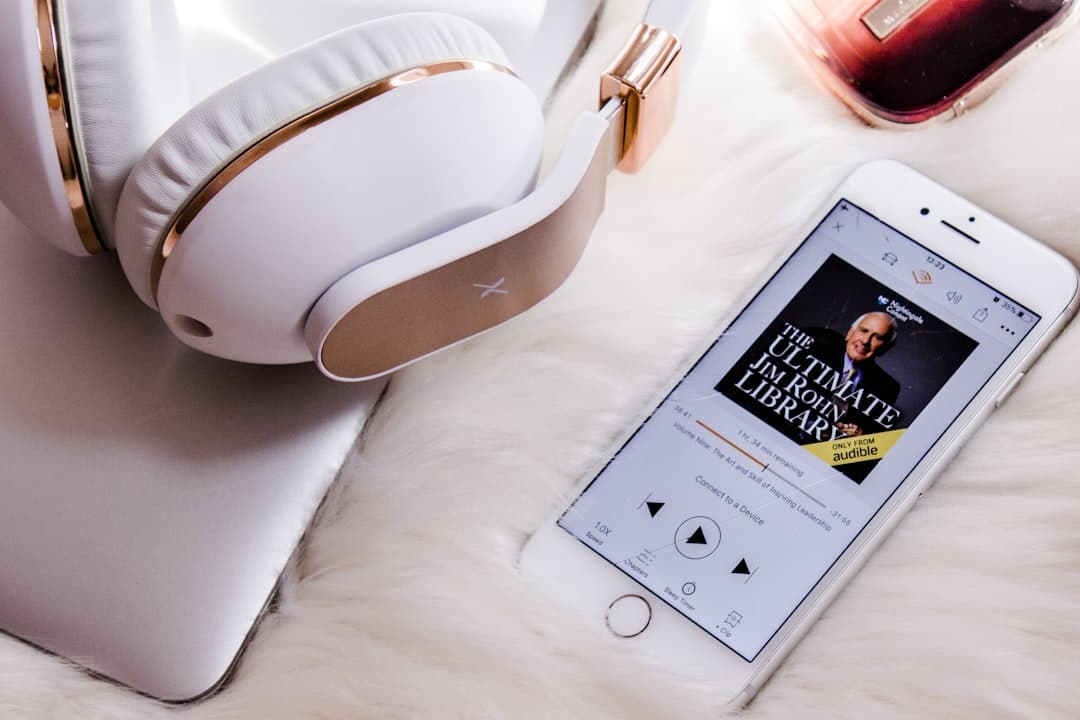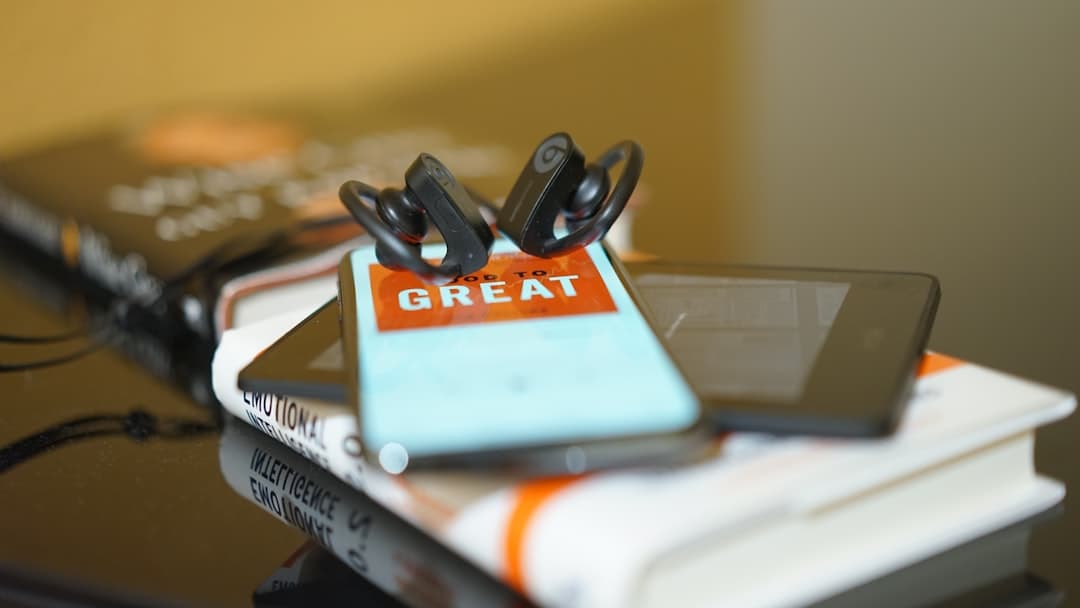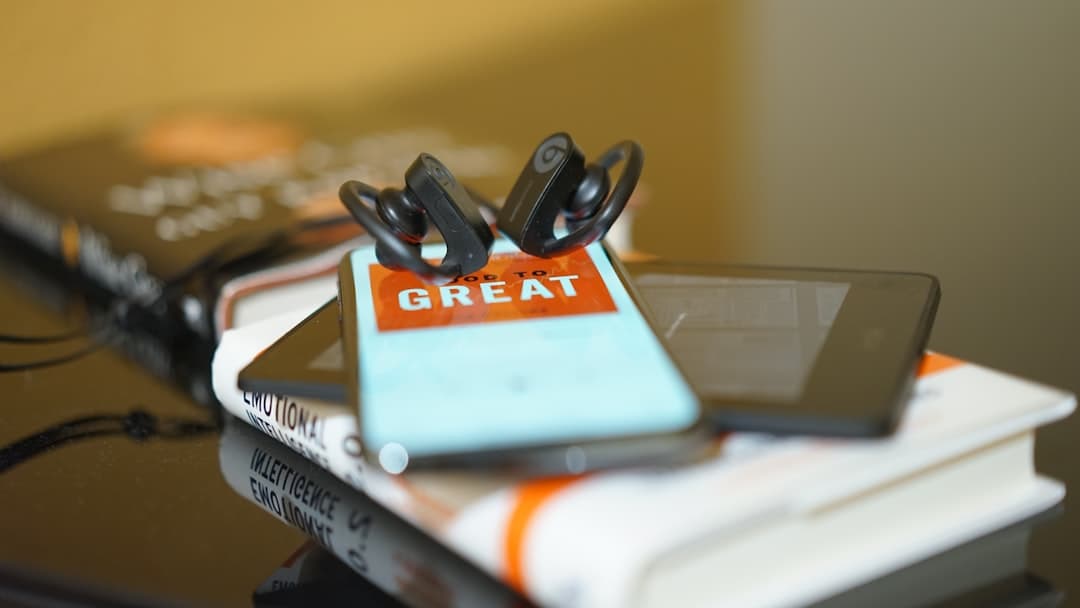
Audiobook revenue in the United States surpassed $1.8 billion in 2023, according to the Audio Publishers Association — a figure that represents more than a decade of consecutive annual growth. That trajectory has not slowed. For authors, editors, and literary agents, these numbers carry direct professional consequences worth understanding.
Where the Growth Is Coming From
Streaming platforms, smart speakers, and commuter culture have all contributed to audiobook adoption. Listeners who previously fell outside the traditional print-buying demographic — people with visual impairments, long commuters, parents managing busy households — have become consistent consumers. The demographic range of audiobook listeners is broader than that of print or ebook readers, which means authors gain access to audiences they might not otherwise reach.
Subscription services such as Audible, Libro.fm, and Scribd have lowered the financial barrier for listeners, producing a steady demand pipeline. Publishers and independent authors alike have noticed this shift and adjusted acquisition and production strategies accordingly.
What This Means for Rights Negotiations
Audio rights, once treated as a secondary consideration in publishing contracts, now carry measurable market value. Literary agents increasingly negotiate audio rights as a standalone deal, separate from print and ebook rights, rather than bundling them in a single package. Authors who signed contracts before this shift may have unknowingly assigned audio rights for minimal compensation.
Before signing any publishing agreement, authors and their representatives should identify who holds audio rights, what royalty percentage applies, what the production timeline looks like, and whether a reversion clause exists if no audio edition is produced within a defined window. These terms can significantly affect long-term earnings.
Self-Publishing and the Audiobook Market
Independent authors now have more production pathways than ever before. Platforms such as ACX (Audiobook Creation Exchange) connect self-publishing authors with professional narrators. Authors can either pay a flat fee upfront or offer a royalty-share arrangement, which reduces production costs but splits future earnings.
AI-narrated audiobooks have entered the market as a lower-cost alternative, though listener reception varies. Several major retailers have introduced guidelines distinguishing AI-narrated titles from human-narrated ones, and some author associations have issued statements on ethical use. Authors considering AI narration should review current platform policies before investing in production.
Choosing a Narrator
For authors who pursue professional narration, casting the right voice for a project requires the same attention as any other editorial decision. Requesting audition samples, reviewing a narrator's existing catalog, and assessing genre experience all factor into a successful collaboration. A narrator who excels in nonfiction business titles may not be the right fit for a character-driven literary novel.
Royalties and Distribution
Royalty structures across distribution platforms vary widely. Exclusive distribution through a single retailer typically offers a higher royalty rate but limits discoverability on competing platforms. Wide distribution — releasing an audiobook across multiple retailers simultaneously — generally yields a lower per-sale rate but broader market reach.
Authors distributing independently should research current royalty splits on platforms such as ACX, Findaway Voices, and Author's Republic, as these figures are updated periodically and affect net income calculations.
Marketing Audiobooks Alongside Print
Authors and publishers that treat audiobooks as a parallel product rather than an afterthought tend to see stronger overall sales. Releasing the audio edition close to the print publication date captures launch momentum. Short audio samples shared through social media, author newsletters, and podcast appearances give potential listeners a low-friction preview of the narrator's performance and the book's tone.
Librarians and library systems represent an underused promotional channel for audiobooks. Platforms like OverDrive and hoopla supply audiobooks to public libraries, and a strong library presence can drive listener discovery and word-of-mouth among dedicated readers.
The audiobook market rewards authors who approach it with the same preparation they bring to any other aspect of their publishing career — clear contract terms, deliberate distribution choices, and consistent promotional effort.
This article is based on a primary source and has undergone editorial review prior to publication.