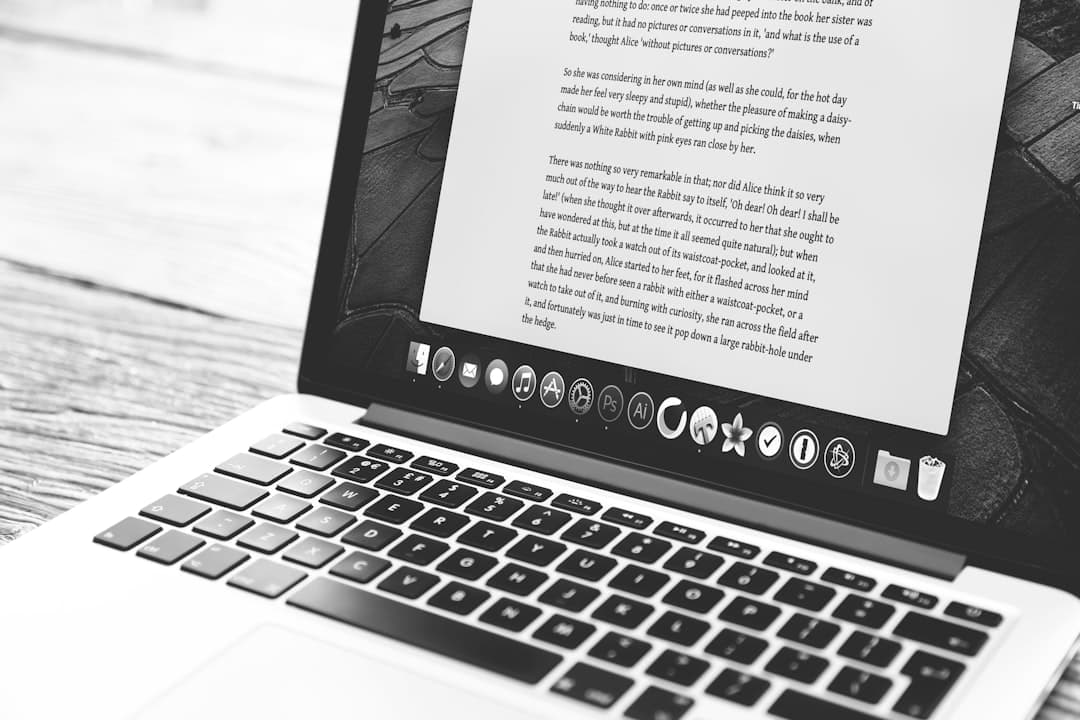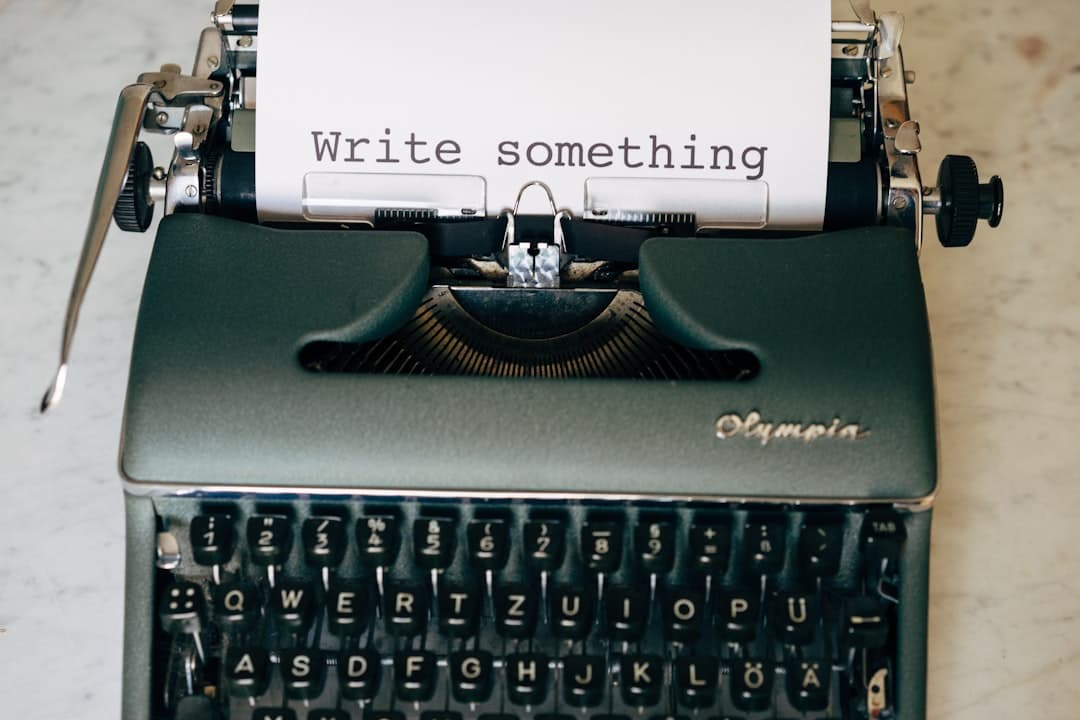
The act of writing has always evolved alongside available tools — from quill to typewriter to word processor. Today, that evolution is happening faster than at any previous point in publishing history. Writers, editors, and agents are navigating a landscape where software does not merely store words but actively participates in shaping them.
The Rise of AI-Assisted Writing Tools
AI writing assistants such as Grammarly, ProWritingAid, and Sudowrite have moved well beyond basic spell-check. These platforms now analyze sentence rhythm, flag passive constructions, suggest alternative word choices, and in some cases generate draft passages based on a writer's existing style. For fiction writers, tools like Sudowrite can extend a scene or suggest dialogue, giving authors raw material to refine rather than a blank page to fill.
Publishers and literary agents have begun encountering manuscripts where AI tools were used during the drafting or editing phase. The manuscripts themselves do not always declare this, which has prompted several major publishers — including Tor Books and Penguin Random House — to develop formal policies around AI-generated content disclosures.
Cloud-Based Collaboration Has Changed Editing
Google Docs, Notion, and Dropbox Paper have replaced the email chain as the standard method for manuscript collaboration. Editors and authors can now leave timestamped comments, track changes in real time, and maintain version histories that stretch back to a document's first line. This has compressed the back-and-forth editing cycle significantly.
For developmental editors working with multiple clients simultaneously, these platforms allow cleaner project management. Comments are searchable, revision threads stay organized, and no version of a document gets lost in an inbox. Literary agencies have adopted similar systems, using shared workspaces to route manuscripts among agents, assistants, and foreign rights managers without physical handoffs.
Speech-to-Text and the Dictating Writer
Dictation software — particularly Dragon NaturallySpeaking and the built-in voice tools on macOS and Windows — has found a dedicated user base among authors who write faster by speaking than by typing. Some prolific genre fiction writers have publicly credited dictation with doubling or tripling their output. The software has also opened writing as a practice to people with repetitive strain injuries or disabilities that make keyboard use difficult.
Transcription services like Otter.ai and Descript have extended this further, allowing writers to record spoken ideas during commutes or walks and return to clean, searchable transcripts. This kind of ambient drafting has shifted when and where writing happens.
Self-Publishing Platforms and the Production Pipeline
Tools like Vellum, Atticus, and Reedsy have placed book formatting and interior design directly in the hands of authors. A writer can now produce a print-ready PDF and a reflowable ebook from the same source file without hiring a separate typesetter. For independent publishers and hybrid authors, this has meaningfully reduced production costs and timelines.
Amazon's Kindle Direct Publishing, Draft2Digital, and IngramSpark have similarly automated distribution processes that once required a traditional publisher as an intermediary. Metadata, pricing, and territorial rights can be managed by a single person with a spreadsheet and an afternoon.
What This Means for Publishing Professionals
Agents and acquiring editors report receiving more submissions than ever, partly because production barriers have dropped. The query volume at many literary agencies has increased substantially over the past five years, which has driven adoption of submission management software like QueryManager and Manuscript Wishlist to organize incoming work.
For working writers, familiarity with these tools has shifted from a bonus skill to a baseline expectation. Knowing how to format a manuscript for digital submission, how to use track changes effectively, and how to navigate a self-publishing dashboard are practical competencies that the current market assumes.
The technology will keep changing. The writers and publishing professionals who stay informed about these tools — without becoming dependent on any single platform — are the ones best positioned to adapt when the next shift arrives.
This article is based on a primary source and has undergone editorial review prior to publication.