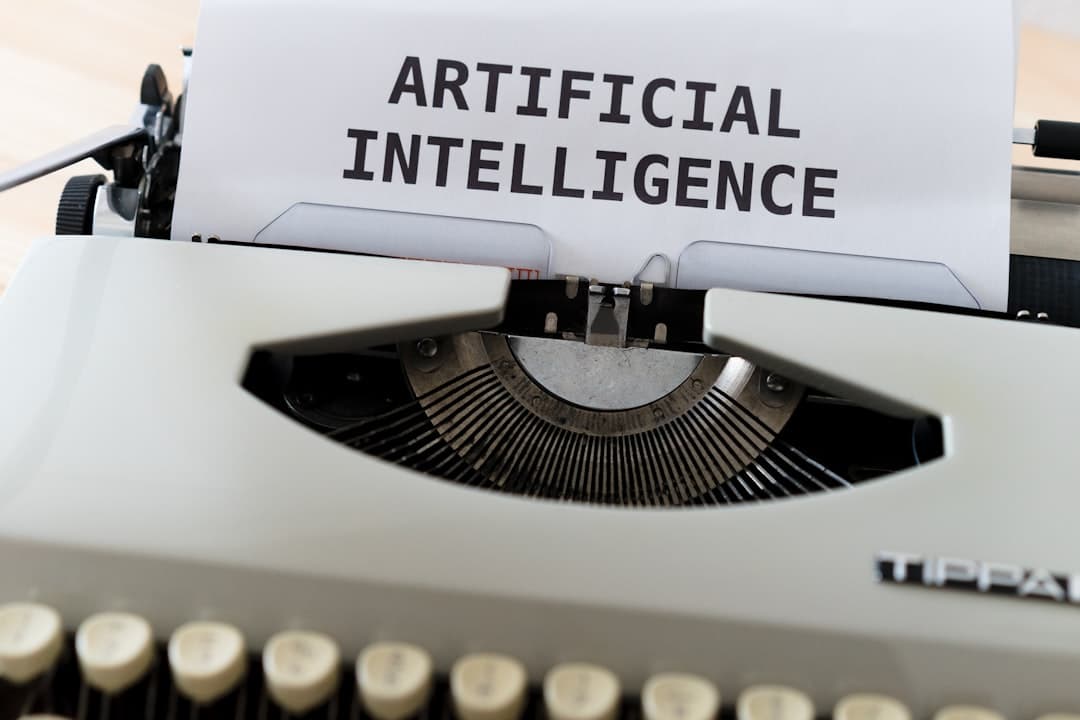
Artificial intelligence writing tools have moved from experimental novelty to everyday utility faster than most publishing professionals anticipated. Platforms such as ChatGPT, Claude, Jasper, and Sudowrite now sit inside the workflows of novelists, copywriters, journalists, and editors across the globe. Understanding what these tools actually do — and where their limitations fall — gives publishing professionals a clearer picture of the landscape they are operating in.
What AI Writing Tools Currently Do Well
Research conducted by the Reuters Institute and separate surveys from the Authors Guild point to consistent patterns in how writers are using AI. The most common applications are not full-draft generation. They are narrower, task-specific uses: overcoming blank-page paralysis, generating structural outlines, summarizing research materials, checking for tonal inconsistencies, and producing variant headline or chapter-title options at speed.
For editors and agents, AI-assisted tools are being deployed to flag pacing issues in manuscripts, identify repeated sentence structures, and scan for factual inconsistencies across long-form work. Several major publishing houses have piloted internal tools that use large language models to generate preliminary editorial feedback memos — not to replace human editors, but to give editorial assistants a starting framework before the substantive edit begins.
Where Human Authorship Remains Irreplaceable
AI language models generate text by predicting statistically probable word sequences based on patterns in training data. That mechanism produces fluent, coherent prose — but it does not produce lived experience, original perspective, or genuine narrative risk-taking. Literary agents and acquisitions editors consistently report that AI-generated or heavily AI-assisted manuscripts are identifiable not by technical errors but by a flattening of voice: sentences that scan correctly but carry no distinct sensibility.
Character interiority, cultural specificity, structural subversion, and emotional precision remain areas where AI tools produce generic outputs. Writers who use AI for scaffolding and then apply sustained creative judgment to the drafting and revision process report more useful results than those who rely on generated text directly.
Practical Adjustments for Writers and Editors
Use AI at the structural stage, not the sentence stage
Writers report the highest utility from AI tools when they use them before drafting — to stress-test plot logic, generate competing outline structures, or identify gaps in a research brief. Using AI at the sentence-level drafting stage tends to dilute voice and create revision overhead that outweighs the time saved.
Build AI disclosure into submission and contract practices
Several literary agencies and publishing houses have updated their submission guidelines to request disclosure of AI tool use in manuscript preparation. Writers and agents benefit from establishing clear, explicit language in contracts around AI-generated content — particularly for work-for-hire, ghostwriting, and licensed publishing agreements where intellectual property provenance carries legal weight.
Treat AI output as raw material, not finished copy
Editors working with authors who incorporate AI-generated passages should apply the same scrutiny they would to any unpolished draft. Fact-checking AI-generated content is non-negotiable — language models hallucinate citations, dates, and biographical details with confident fluency. Any AI-assisted content that enters a publication pipeline requires independent verification before it advances past the first editorial pass.
The Broader Shift in Creative Labor
The publishing industry is in the early stages of redistributing certain categories of writing labor. Content roles that involve high-volume, formulaic output — catalog copy, metadata descriptions, back-cover synopses, and similar materials — are being partially automated at larger publishers. Roles that require taste, cultural awareness, deep subject expertise, and authentic voice are holding their ground.
For writers building long-term careers, the practical takeaway from current industry behavior is clear: the market is differentiating more sharply between writing that carries a distinct human perspective and writing that does not. Developing and protecting a recognizable voice is not a soft creative goal — it is a professional differentiator with measurable market value in the current publishing environment.
This article is based on a primary source and has undergone editorial review prior to publication.