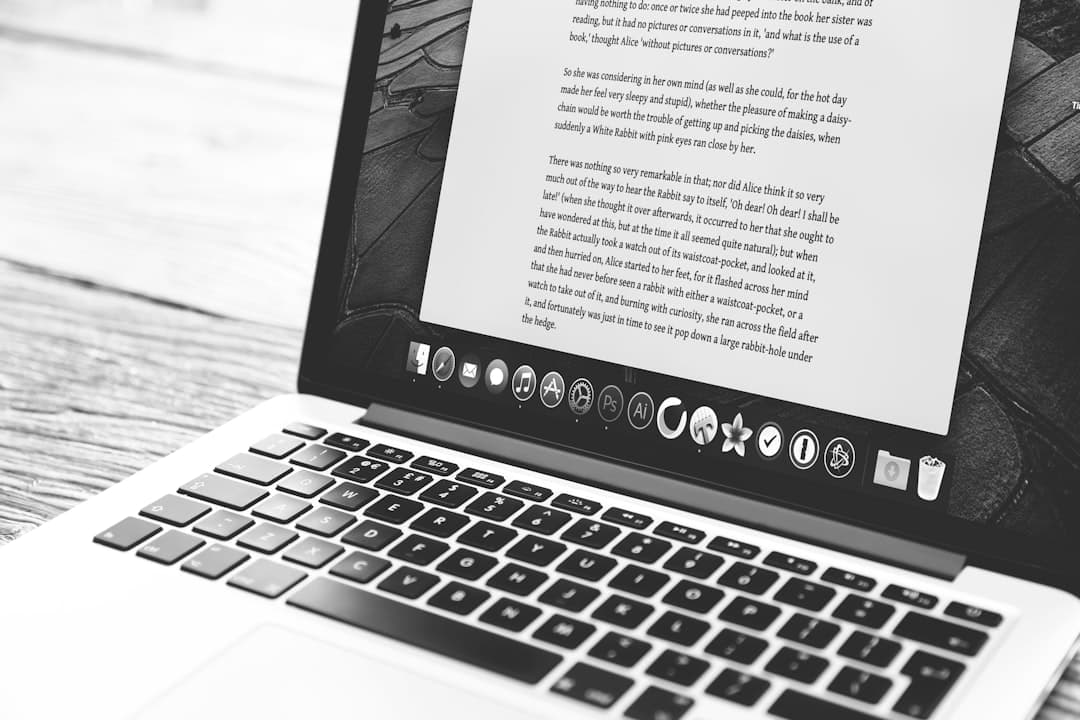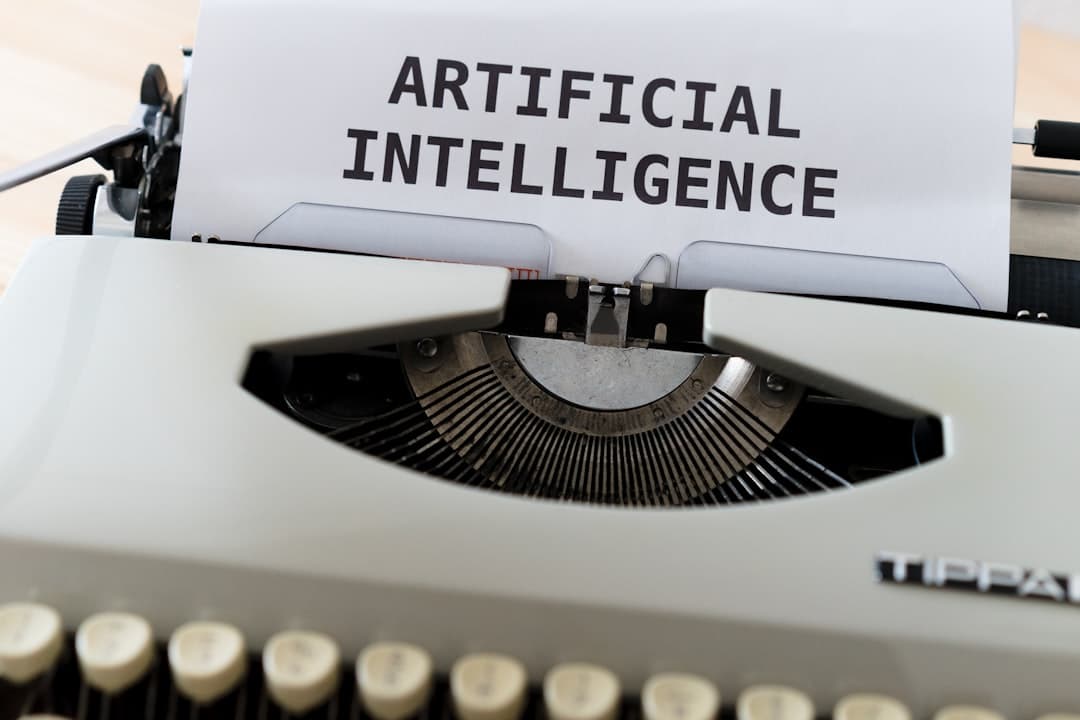
Every few decades, a new technology forces writers to rethink their process. The word processor replaced the typewriter. Search engines replaced the library index card. Now, large language models are sitting alongside writers at the desk, and the publishing world is deciding what that means in practical terms.
What AI Currently Does Well in Writing Workflows
AI tools have demonstrated consistent usefulness in specific, bounded tasks. For authors managing large projects, tools like ChatGPT, Claude, and Gemini can generate structural outlines, summarize research documents, suggest alternative phrasings, and flag repetitive language. Literary agents report using AI-assisted platforms to process query letter volumes and identify manuscript patterns across genres.
For editors, AI grammar and style tools — including Grammarly, ProWritingAid, and the built-in suggestions in Google Docs — have become standard workflow components. These tools catch surface errors efficiently, freeing human editors to focus on narrative structure, voice, and developmental feedback that software cannot reliably evaluate.
Where Human Writers Retain a Clear Edge
AI models generate text by predicting statistically likely word sequences based on training data. This means they produce language that mirrors existing patterns rather than breaking them. Original voice, cultural specificity, emotional nuance, and genuine narrative risk-taking remain areas where human writers consistently outperform automated output.
Publishers and literary agents who have commented publicly on AI-generated submissions note a recognizable flatness in structure and an absence of the unexpected choices that distinguish compelling prose. Developmental editors describe the same phenomenon: technically correct sentences that lack the tension or specificity that makes a reader stay on the page.
Practical Steps Writers Can Take Now
Several actionable approaches help writers position themselves effectively in a market where AI-generated content is increasing in volume:
Document your process. Keeping drafts, notes, and revision histories creates a verifiable record of human authorship. Some publishers and literary journals now request this documentation as part of submission guidelines.
Strengthen your voice deliberately. Reading widely in your genre — and outside it — builds the stylistic range that differentiates human writing from averaged output. Sentence rhythm, structural experimentation, and specific detail are the features hardest for current AI to replicate convincingly.
Use AI as a research accelerator, not a ghostwriter. Writers who use AI to compress background research, generate initial brainstorming prompts, or test structural alternatives report measurable time savings without compromising authorial control. The distinction matters professionally: the writer makes the creative decisions; the tool executes peripheral tasks.
Stay current on publisher policies. Major publishers, literary magazines, and academic journals are each building their own disclosure and usage guidelines. The Authors Guild, the Science Fiction and Fantasy Writers Association, and the Society of Authors have all issued statements outlining positions on AI use. Reviewing these regularly keeps writers aligned with market expectations.
The Industry Landscape in Transition
Publishers are navigating competing pressures. On one side, AI tools offer the potential to reduce production costs in areas like translation, formatting, and metadata generation. On the other, reader trust and brand reputation depend on the perceived authenticity of human-authored content.
Several mid-size publishers have introduced AI usage disclosure fields in their contracts since 2023. Hybrid approaches — where human authors use AI tools for defined tasks while retaining authorship credit — are emerging as a practical middle ground, though industry-wide standards remain unresolved.
Literary agents report that query volume has increased significantly in markets where AI drafting tools are widely accessible, making the agent's role in identifying distinctive voices more demanding, not less.
A Skill Set Worth Building
Writers who understand how AI tools work — their training limitations, their tendency toward generic phrasing, their inability to access lived experience — are better equipped to use them selectively and to identify where human craft adds irreplaceable value. That understanding functions as both a practical skill and a professional differentiator in a publishing market that is still establishing its norms.
This article is based on a primary source and has undergone editorial review prior to publication.