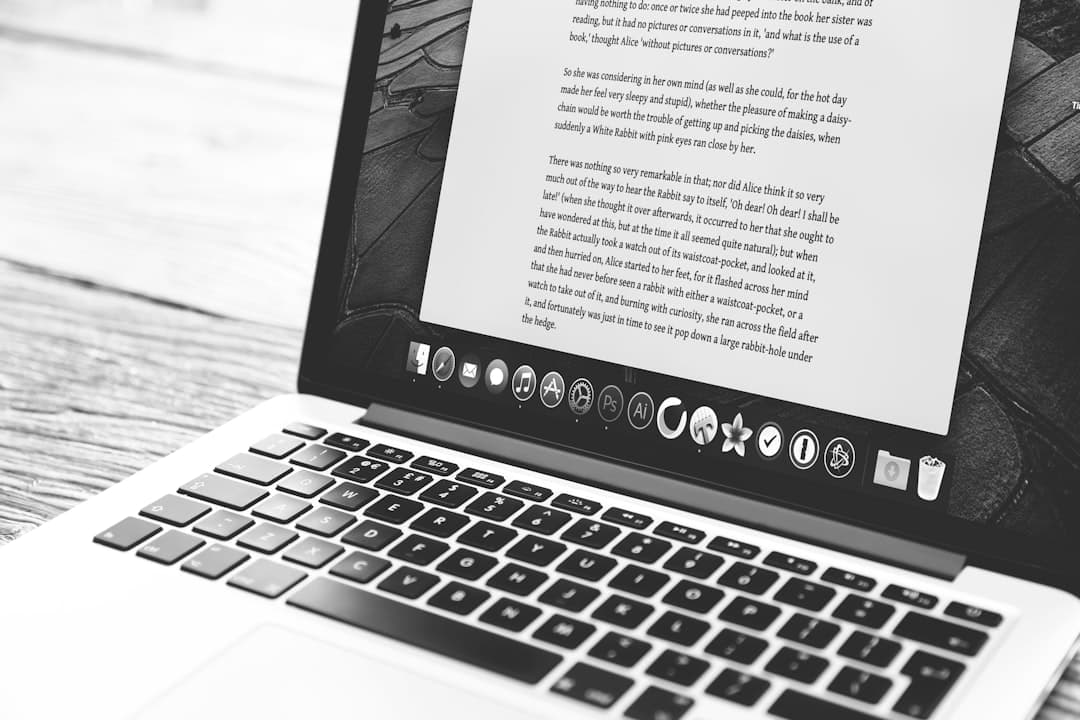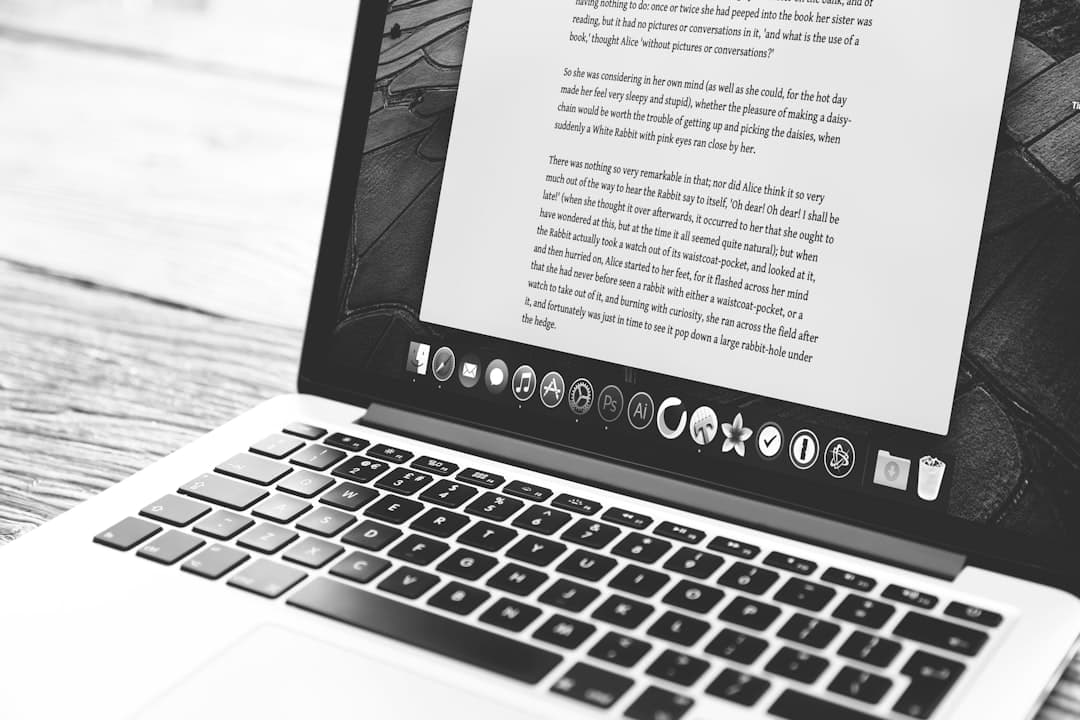
The writing process has never been a straight line. Ideas arrive out of order, drafts multiply, research piles up, and deadlines have a way of arriving before the work feels ready. Digital tools do not fix any of that — but the right ones can remove friction at each stage, leaving more mental space for the actual craft.
Drafting and Organization
Word processors remain the default for most writers, but dedicated writing software offers structural advantages that a blank document cannot. Applications like Scrivener allow writers to work in sections — scenes, chapters, research notes — and rearrange them without the cut-and-paste chaos of a single long file. The corkboard view, for example, lets plotters map narrative structure visually before committing words to the page.
For writers who prefer a distraction-free environment, tools like iA Writer or Ulysses strip the interface down to text only. Both support Markdown formatting, which keeps styling decisions separate from the writing itself — a practical choice for anyone submitting work to multiple outlets with different formatting requirements.
Research and Reference Management
Journalists and nonfiction authors working with large volumes of source material benefit from reference managers such as Zotero or Notion. Zotero captures citations directly from browsers and organizes them by project. Notion works as a flexible workspace — writers can build a single database that holds research links, interview notes, draft outlines, and publication schedules side by side.
For fiction writers doing world-building or historical research, tools like World Anvil or Obsidian help maintain consistency across a long project. Obsidian, in particular, uses a linked-notes system that surfaces connections between ideas that might otherwise stay buried in separate files.
Editing and Revision
Grammar and style checkers have grown more sophisticated. ProWritingAid goes beyond surface corrections to analyze pacing, repeated words, sentence length variation, and dialogue balance across an entire manuscript. It produces detailed reports by chapter — useful for developmental editing, not just copyediting.
For collaborative editing between authors and editors, Google Docs remains a practical standard. Tracked changes, comment threads, and version history give both parties a clear record of every revision. Some literary agencies now request submissions in Google Docs specifically because of how cleanly it handles that back-and-forth.
Productivity and Project Management
Meeting word count targets requires more than intention. Applications like Pacemaker allow writers to set a total word count goal and a deadline, then automatically distribute the daily target based on the schedule they build — lighter on busy days, heavier when there is more time. The dashboard updates in real time as writing sessions are logged.
For authors managing multiple projects, a client list, or a newsletter alongside their writing, tools like Trello or Airtable function as visual project boards. Cards move through stages — idea, draft, revision, submitted, published — giving a clear overview of where every piece stands at any moment.
Protecting and Publishing Your Work
Writers self-publishing or distributing directly to readers have access to platforms like Vellum for ebook and print formatting, which converts a manuscript into a professionally formatted file without requiring design skills. For contracts and rights tracking, HelloSign and DocuSign handle electronic signatures, while a simple spreadsheet — or a dedicated rights tracker like Publisher Rocket's companion tools — can log where each piece has been submitted and what rights have been sold.
Building the Right Stack
No single tool solves every problem, and adopting too many creates its own kind of noise. Most working writers settle on a small, stable set — typically one drafting tool, one organizational tool, and one editing tool — and learn them thoroughly rather than switching with each new product release.
The measure of any tool is simple: does it reduce the time spent on logistics and increase the time spent writing? If the answer is yes, the tool is doing its job.
This article is based on a primary source and has undergone editorial review prior to publication.