The publishing industry has always adapted to new tools — from the printing press to the word processor. Today, a fresh wave of technology is reshaping how authors plan, draft, revise, and collaborate with the professionals around them. The changes are practical, measurable, and already visible in workflows across the industry.
Writing and Drafting Software Has Grown More Specialized
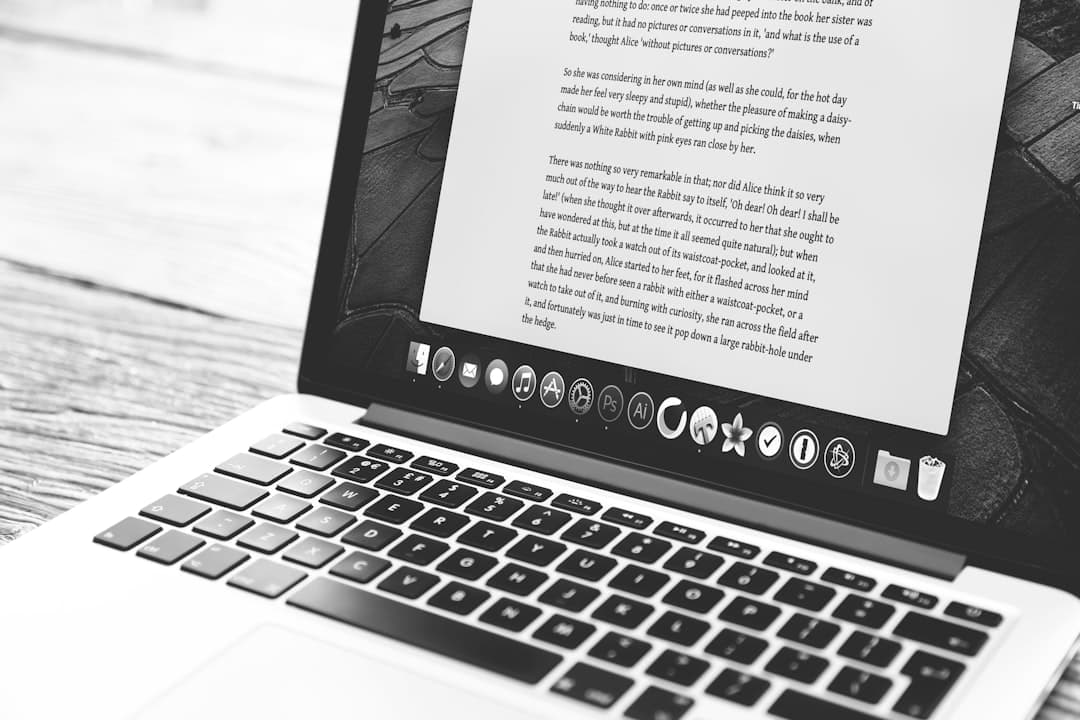
General-purpose word processors still dominate, but dedicated writing applications have earned serious adoption among professional authors. Tools like Scrivener, Ulysses, and Atticus allow writers to organize manuscripts by scene or chapter, track word counts against project targets, and export directly to publishing formats including ePub and PDF.
These platforms address a specific pain point: the friction between writing and formatting. Authors who previously handed off a raw manuscript for layout can now produce a clean, structured file without a design background. For self-publishing authors in particular, this removes a step that once required hiring outside help.
Reference Management and Research Tools Are Saving Time
Nonfiction authors, journalists, and academics working on long-form projects have started integrating reference management software — such as Zotero and Notion — directly into their writing process. These tools allow users to store source material, annotate documents, tag notes by theme, and link research directly to the sections where it applies.
The practical effect is a shorter revision cycle. When a fact needs to be verified or a citation updated, the source is already organized and accessible rather than buried in a folder of browser bookmarks or physical notes.
Collaboration Platforms Are Changing the Editor-Author Relationship
Cloud-based collaboration has moved well beyond shared Google Docs. Platforms like Dropbox Paper, Coda, and even purpose-built editorial tools are allowing authors, developmental editors, and copyeditors to work on the same document simultaneously — with threaded comments, version histories, and change-tracking built in.
For publishing houses managing multiple titles at once, this has reduced the back-and-forth of email attachments and conflicting file versions. Editorial notes are visible to all parties in real time, and revision rounds that once took days can be completed within hours.
A Note on Version Control
One underused feature in many collaboration platforms is version history. Authors working on long manuscripts benefit from saving named versions at key milestones — after a complete draft, before a major structural revision, or following editorial feedback. This creates a clear record and makes it easy to recover earlier material if a revision direction is abandoned.
Contract and Rights Management Is Becoming More Accessible
Literary agents and independent authors are increasingly using contract management software to track rights, royalty schedules, and submission histories. Platforms built specifically for publishing — such as Publisherweekly's rights tools and independent options like Airtable configured for rights tracking — centralize information that was previously scattered across email threads and spreadsheets.
For agents managing dozens of client contracts, this shift reduces administrative overhead. For self-publishing authors handling their own foreign rights or licensing deals, it provides structure that makes the business side of writing more manageable.
Audio and Accessibility Tools Are Expanding How Authors Review Their Work
Text-to-speech software has found a practical use in the revision process. Authors who read their manuscripts aloud to catch rhythm and pacing issues are now supplementing this with audio playback tools that convert text to spoken word. Hearing a sentence rather than reading it surfaces different kinds of errors — awkward phrasing, repeated words, and dialogue that does not sound natural.
Screen readers and accessibility checkers are also becoming standard in the workflows of authors producing digital content, ensuring that ebooks and online writing meet readability standards for audiences with visual impairments.
The Workflow Is the Foundation
Technology does not write the book — but it shapes the conditions under which a book gets written, edited, and published. The tools available today give authors more control over their process, their schedule, and their output than any previous generation of writers has had. Understanding what each tool does, and where it fits in a professional workflow, remains the practical work of every author navigating this landscape.
This article is based on a primary source and has undergone editorial review prior to publication.